Conference of the Ho Chi Minh City Council of Rectors of Universities: Enhancing the Role of the Council in the Ho Chi Minh City Mega-Urban Region – Connectivity, Integration, and Innovation
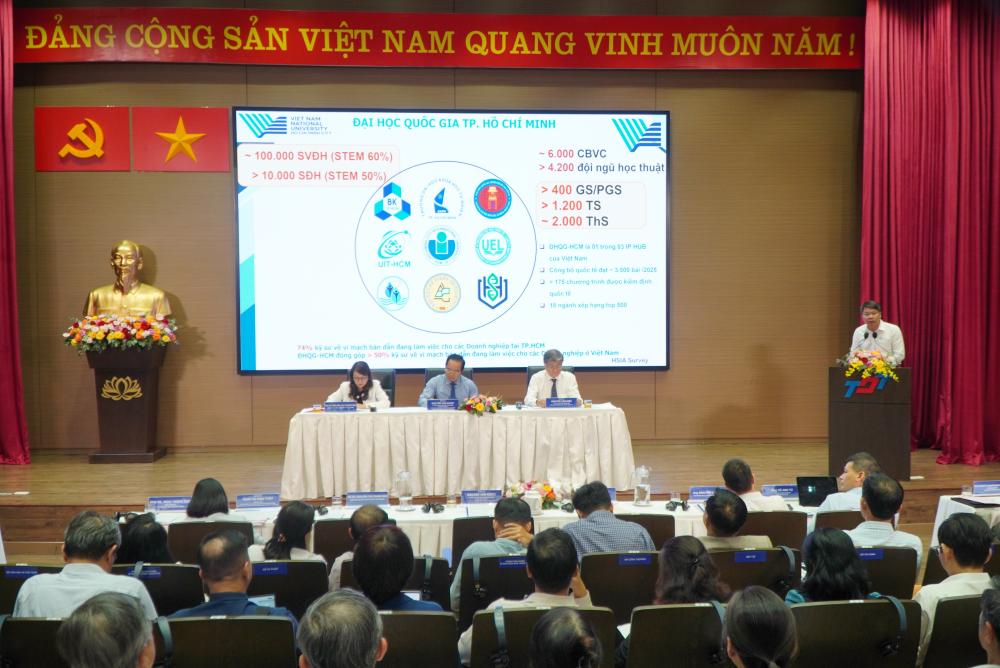
On January 8, 2026, Ton Duc Thang University (TDTU) hosted the Conference of the Ho Chi Minh City Council of Rectors of Universities, under the theme “Enhancing the Role of the Council in the Ho Chi Minh City Mega-Urban Region – Connectivity, Integration, and Innovation.”
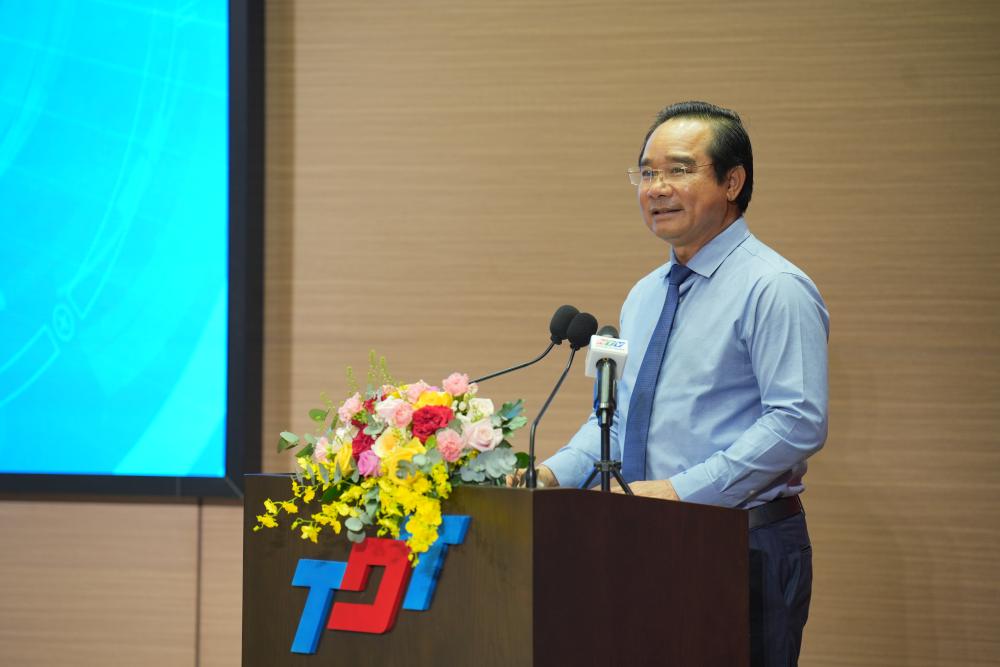
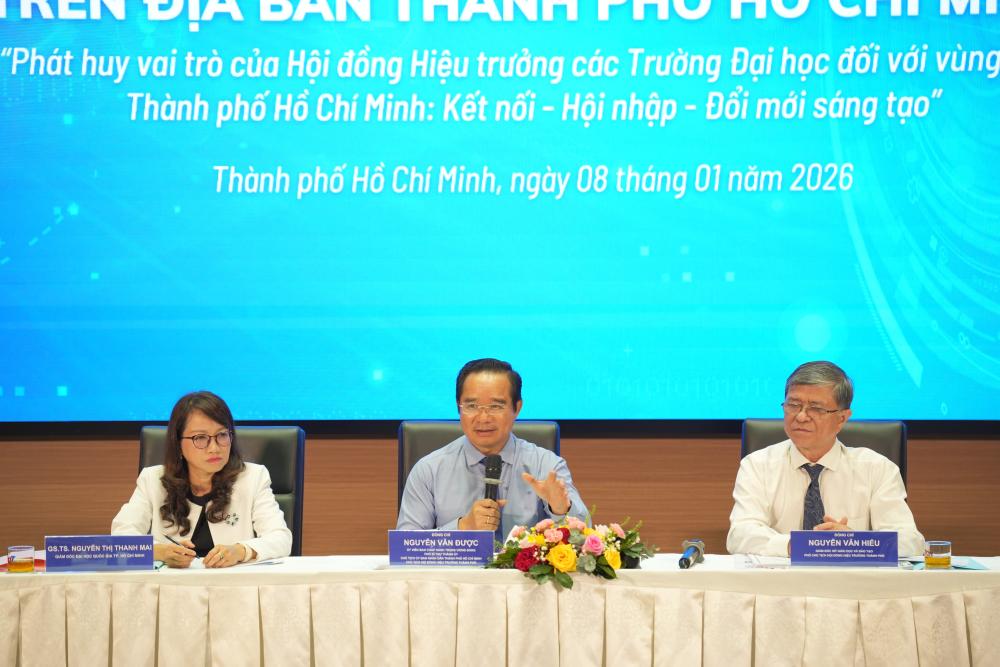
Attending the Conference were representatives of the Ho Chi Minh City Party Committee and the Ho Chi Minh City People’s Committee, including Nguyen Van Duoc, Member of the Party Central Committee, Deputy Secretary of the Ho Chi Minh City Party Committee, Chairman of the Ho Chi Minh City People’s Committee, and Chairman of the Ho Chi Minh City Council of Rectors of Universities; and Tran Thi Dieu Thuy, Member of the Ho Chi Minh City Party Committee, Vice Chairwoman of the Ho Chi Minh City People’s Committee, and Standing Vice Chairwoman of the Council. The Conference also brought together Rectors of universities, Directors of academies and branch campuses who are members of the Council, leaders of municipal departments and agencies, as well as representatives of enterprises. On behalf of the host institution, TDTU, the Conference was attended by Assoc. Prof. Dr. Tran Trong Dao, President of the University.
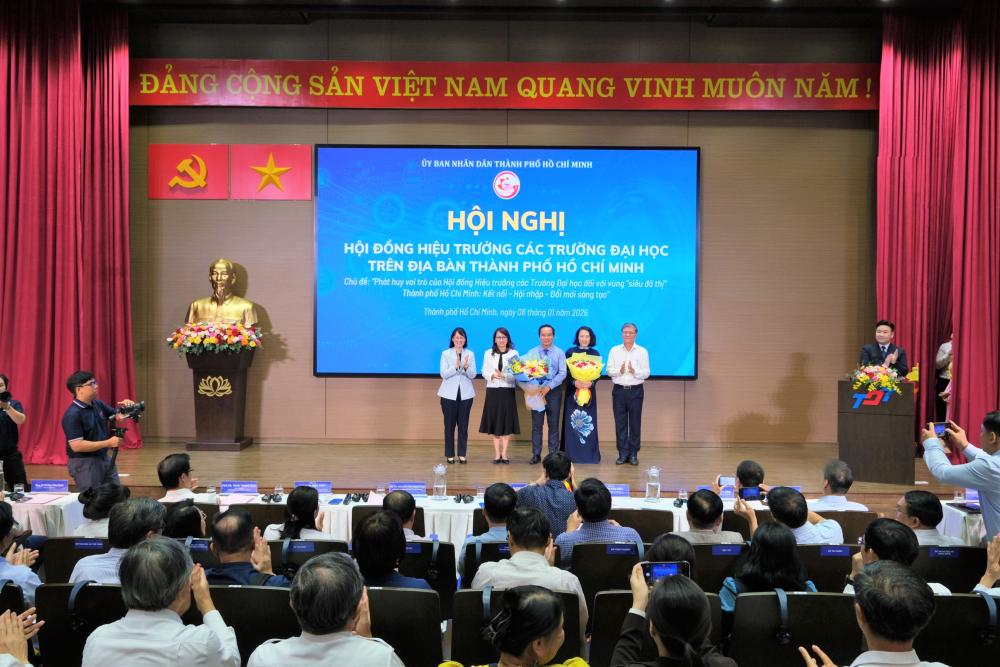
The Conference of the Ho Chi Minh City Council of Rectors of Universities, organized by the Ho Chi Minh City People’s Committee, aimed to review the outcomes of activities in 2025, assess the progress of key initiatives, and discuss solutions to further strengthen the role of the Council in the development of Ho Chi Minh City’s “mega-urban” region toward connectivity, integration, and innovation.
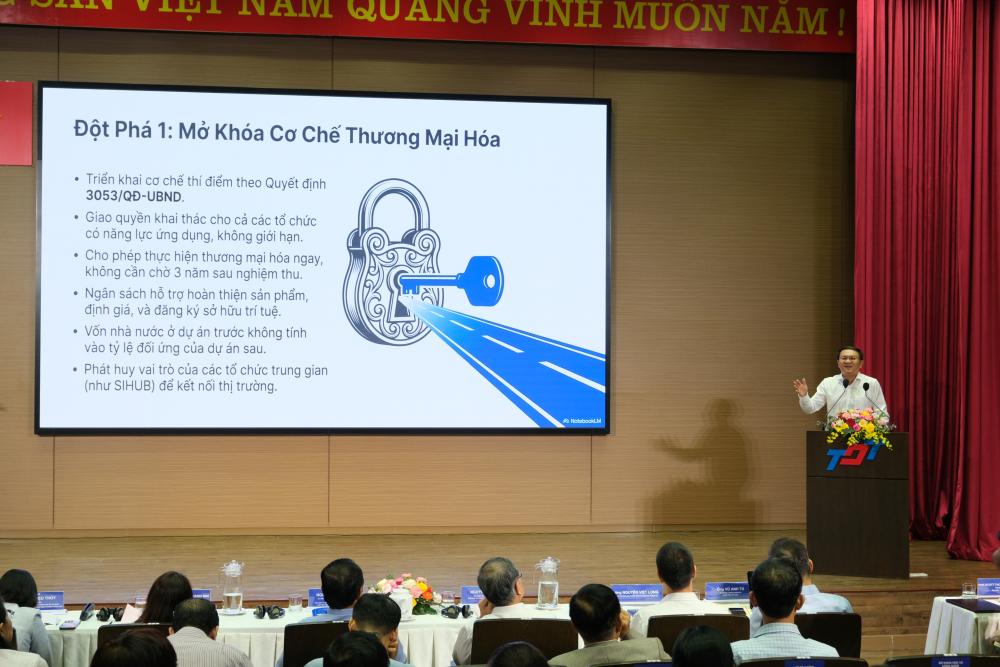
At the Conference, the Ho Chi Minh City Department of Science and Technology presented a report on the key highlights of Resolution No. 57-NQ/TW and venture capital funds in the field of science and technology, highlighting the central role of universities within the innovation ecosystem. Accordingly, the key tasks identified include shifting from “research for acceptance” to “research for value creation”; commercializing research outcomes into economic assets; supplying high-level human resources for key sectors such as artificial intelligence (AI), semiconductors, green technology, and digital technology; and promoting strategic alliances among the State, Academia, and Enterprises.
During the discussion session, the Conference focused on sharing and exchanging views on four key thematic areas, including strategies for developing high-quality human resources; the development of a carbon credit exchange platform; the establishment of an innovation ecosystem; and potential economic sectors, with a view to concretizing the implementation of Resolution No. 57.
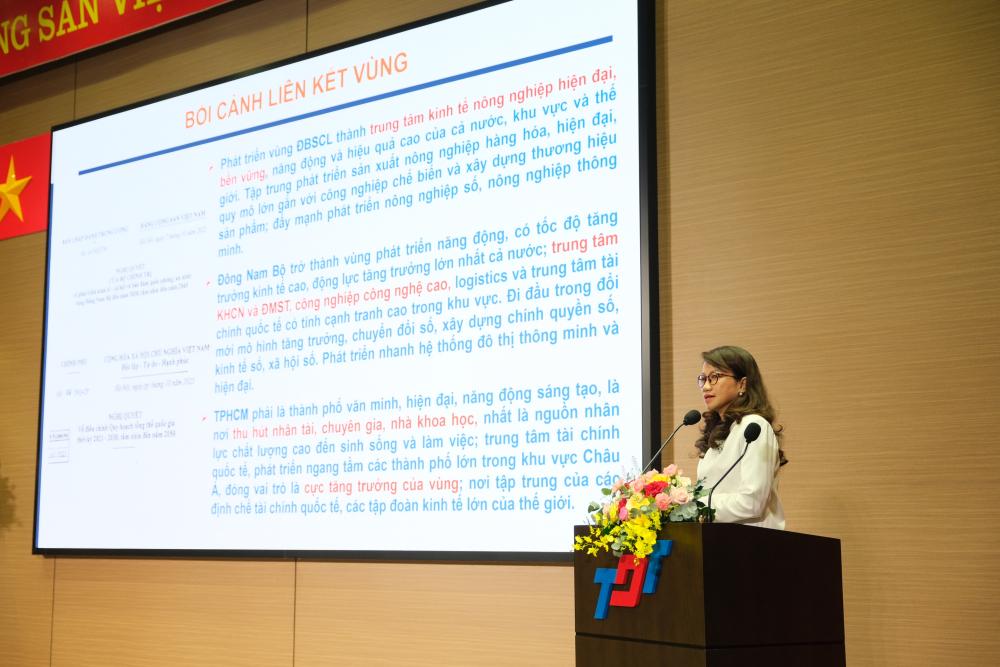
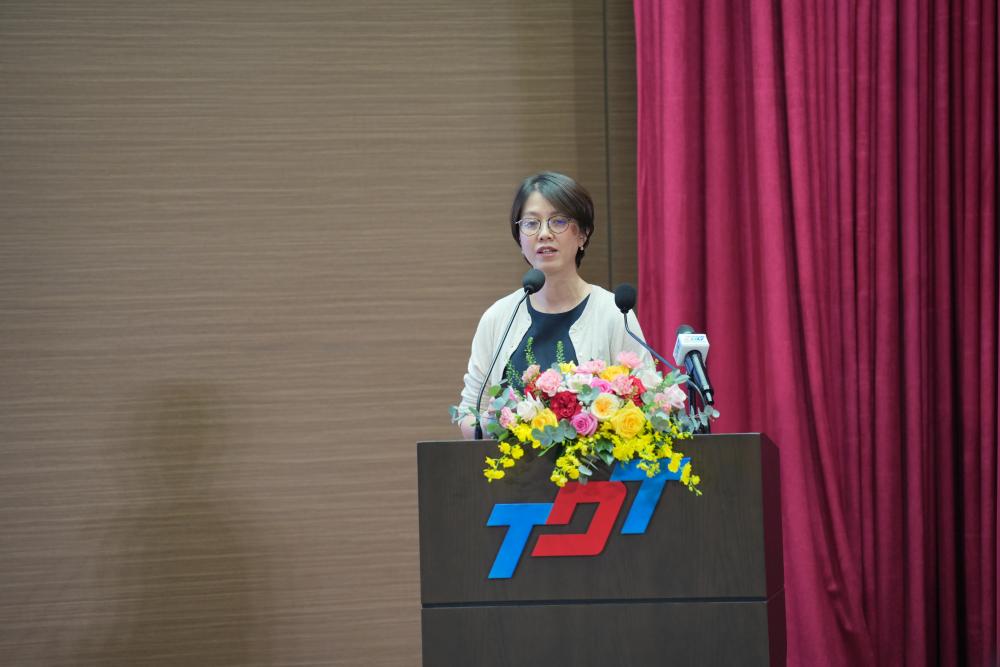
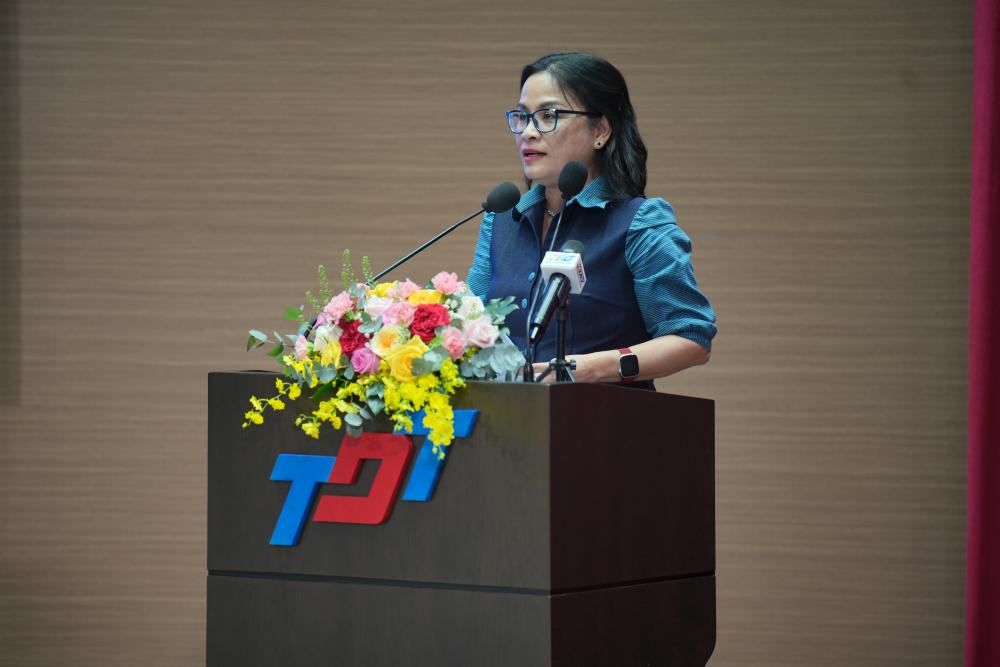
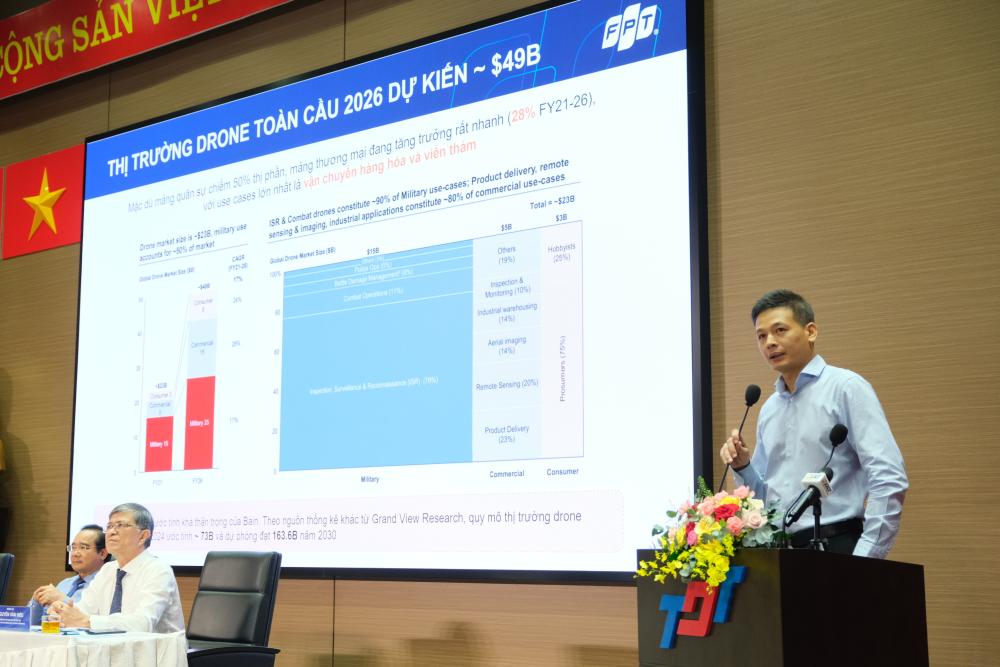
In addition to the presentations delivered directly at the Conference, a number of reports and papers were also contributed by participating units to the Conference documentation. Notable submissions included: “Strengthening cooperation and resource sharing among universities: Solutions to enhancing the effectiveness of Sector-based Council of Rectors through the shared university model” by the Ton Duc Thang University; “Mechanisms and policies to connect universities in Ho Chi Minh City with global research and innovation networks and to participate in large-scale international cooperation projects” by the Vietnamese-German University; and “International cooperation in scientific research and training, and attracting foreign scientists, experts, and international students to Ho Chi Minh City: Lessons learned from Ho Chi Minh City University of Technology, VNU-HCM” by Ho Chi Minh City University of Technology.
In the concluding remarks, Mr. Nguyen Van Duoc, Chairman of the Ho Chi Minh City People’s Committee, called for the close engagement of scientists, enterprises, and relevant stakeholders, affirming that the City cannot achieve rapid and sustainable development without the leading role of the university system, and that universities cannot fully realize their value if they remain detached from the City’s practical development challenges. Mr. Nguyen Van Duoc particularly emphasized the importance of strengthening linkages among scientists, universities, and enterprises in Ho Chi Minh City in order to build the City into an international “mega-urban” hub.
To achieve these goals, Ho Chi Minh City will commission the training of high-quality human resources, invest in high-performance computing centers, upgrade annual scientific forums, and develop a startup ecosystem supported by an investment fund of approximately 500 billion VND. At the same time, the City aims to promote green technology solutions such as internationally recognized carbon credits and to enhance effective investment promotion through digital platforms. The City commits to providing policy, financial, and administrative support to enable ideas to be commercialized into practical products that serve socio-economic development, while calling for the active engagement of scientists, enterprises, and relevant stakeholders, and reaffirming that the science, technology, and innovation ecosystem constitutes a strategic foundation for the sustainable development of Ho Chi Minh City.