When International Accreditation Becomes the Foundation for Educating Global Citizens
Amid the internationalization trend in higher education, Ton Duc Thang University (TDTU) has achieved international accreditation for 100% of its undergraduate programs that have graduated at least one cohort.
A Global Academic Environment in Vietnam
In today’s higher education development strategy, international quality accreditation is no longer viewed merely as an academic evaluation activity. Instead, it has become a foundation for universities to strengthen their competitiveness and global integration.
This is especially significant as the Politburo recently issued Resolution No. 71-NQ/TW on breakthrough development in education and training through 2030, with a vision toward 2045, aiming to place Vietnam among the world’s top 20 countries in education.
One of the resolution’s key directions is to promote university autonomy, internationalization of education, improvement of human resource quality, and the development of internationally standardized universities.
In this context, many higher education institutions in Vietnam are shifting from a “domestic education” mindset toward building global academic environments right within Vietnam.
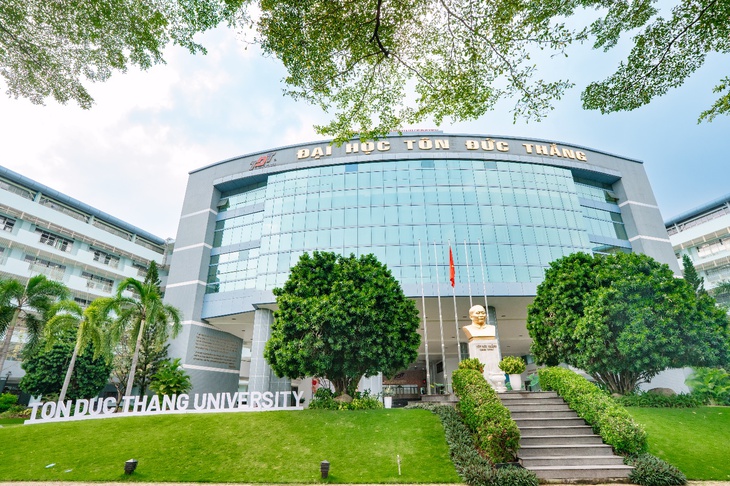
Among them, Ton Duc Thang University stands out as a representative model for a systematic and long-term international integration strategy in higher education.
Comprehensive Standardization of Academic Programs
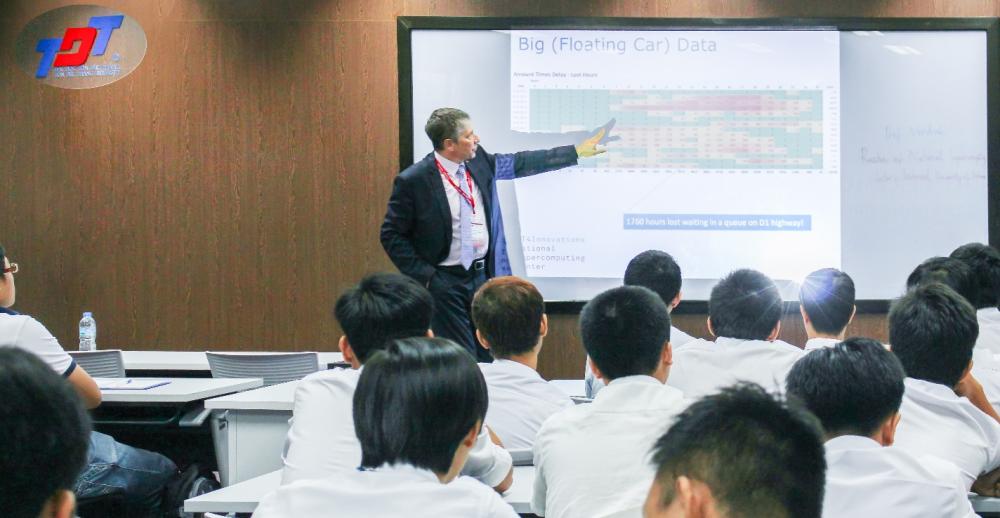
TDTU regards international accreditation as a benchmark for comprehensively standardizing curricula, learning outcomes, teaching methods, faculty quality, and student learning experiences according to international standards.
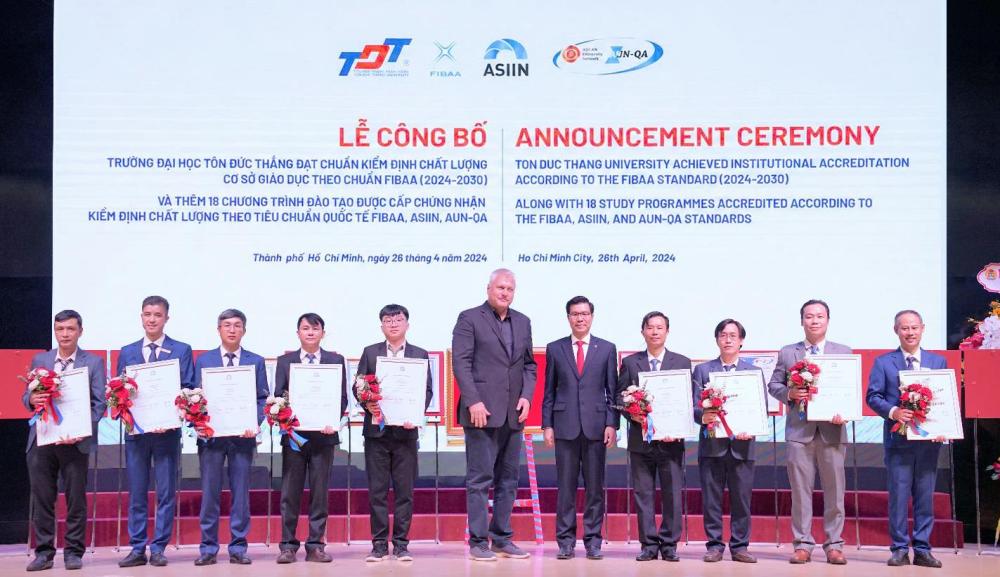
To date, all undergraduate programs with graduating cohorts at the university have obtained international accreditation from prestigious organizations such as AUN-QA, FIBAA, and ASIIN.
Currently, the university has 48 accredited programs at both undergraduate and postgraduate levels, many of which have successfully completed their second accreditation cycle — demonstrating the university’s ability to maintain and continuously improve quality.
These international accreditation organizations apply rigorous standards regarding learning outcomes, professional competencies, global adaptability, and student experience.
Therefore, international accreditation not only reflects educational quality but also demonstrates the extent of a university’s substantive integration into the global higher education ecosystem.
According to education experts, the ultimate goal of university internationalization is not merely to standardize academic programs, but to educate a generation of global citizens — individuals with professional competence, the ability to work in multicultural environments, and adaptability to the international labor market.
This has also been the direction pursued by Ton Duc Thang University for many years. Rather than internationalizing only on the surface, the university has gradually built an international academic environment in Vietnam through internationally accredited programs, a global academic partnership network, and a multicultural learning environment.
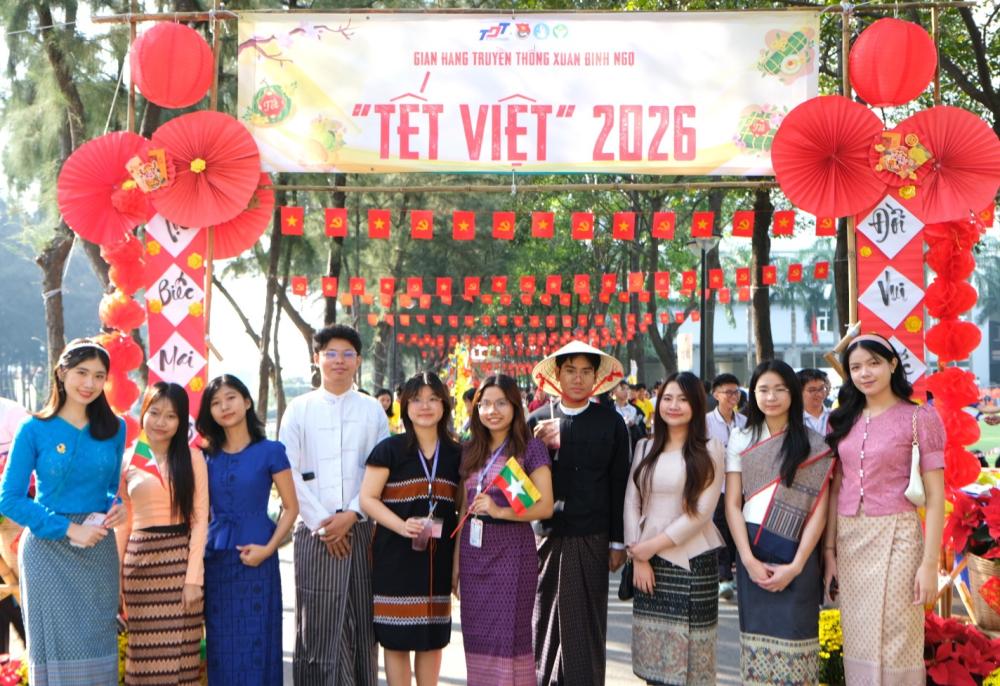
Currently, hundreds of international professors, experts, and lecturers are participating in teaching and academic collaboration at the university. Every year, thousands of international students come to study, exchange, and engage in cultural activities, creating a multinational educational environment right on campus in Ho Chi Minh City.

According to many employers, graduates from internationally accredited programs often possess clear advantages in foreign language proficiency, professional skills, adaptability, and global mindset. These are also among the competencies most sought after in today’s increasingly competitive global labor market.
As cross-border education continues to grow strongly, internationally standardized educational quality is becoming an increasingly important factor in attracting international students and enhancing the academic reputation of Vietnamese universities on the global education map.
With a consistent approach and long-term internationalization strategy, the model pursued by Ton Duc Thang University demonstrates that international accreditation is not the “final destination,” but rather the foundation for building a modern, deeply integrated university capable of educating future generations of global citizens.
Source: Tuoi Tre Newspaper