Sai Gon Giai Phong Online: Ho Chi Minh City Deputy Party Secretary Nguyen Phuoc Loc: Education Must Be Aligned with the City's Development Needs
On the morning of November 16, Mr. Nguyen Phuoc Loc, Member of the Central Committee of the Communist Party of Vietnam, Deputy Secretary of the Ho Chi Minh City Party Committee, and Chairman of the Vietnam Fatherland Front Committee of Ho Chi Minh City, visited Ton Duc Thang University (TDTU) to extend his congratulations on Vietnamese Teachers' Day (November 20). During his visit, he participated in a tree-planting ceremony, inaugurated the Great National Unity Garden, and listened to opinions and recommendations from the University's staff and lecturers.
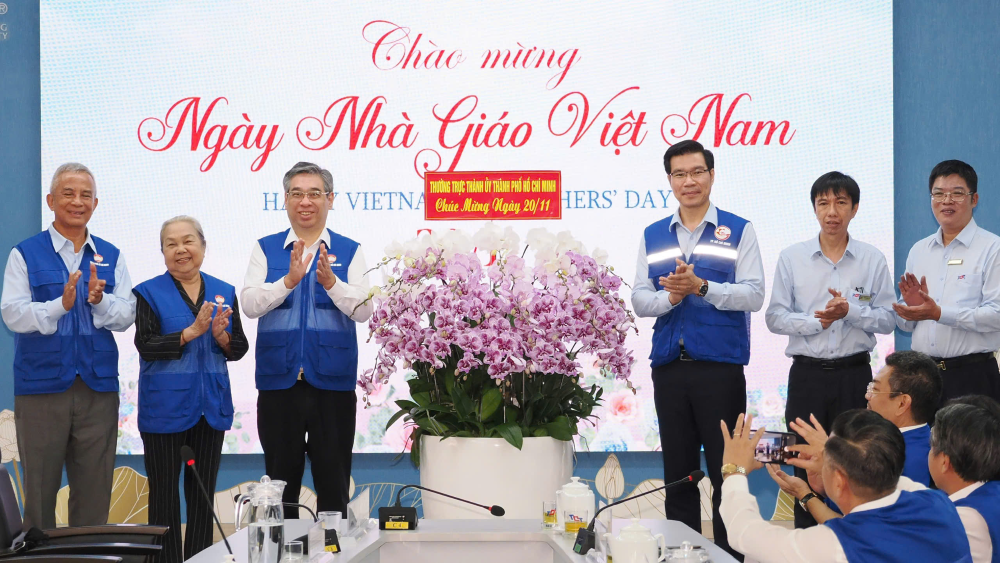
Attending the program were Mr. Dang Ngoc Tung, former Member of the Party Central Committee, former President of the Vietnam General Confederation of Labour, and member of the University's Advisory Board; Ms. Hoang Thi Khanh, Chairwoman of the University's Founding Council; representatives of the authorities of Tan Hung, Tan My, Phu Thuan, and Tan Thuan Wards; as well as University staff, lecturers, and students.
Expanding Green Spaces and Promoting Solidarity
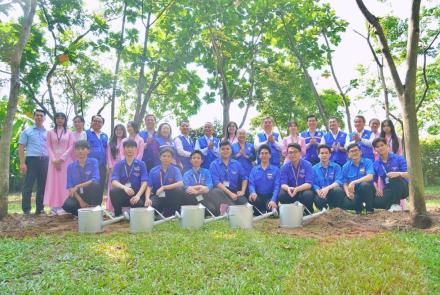
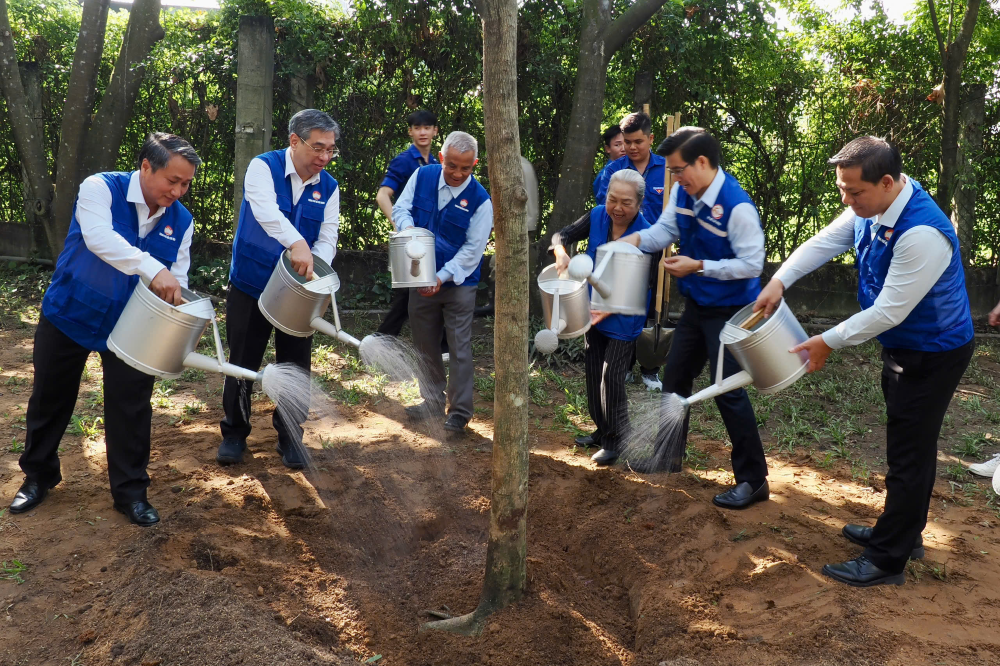
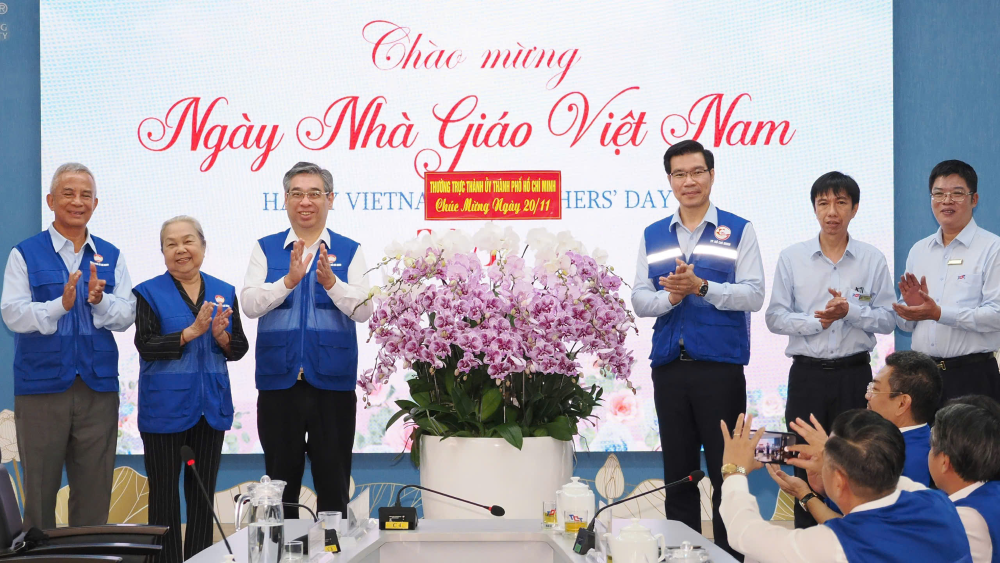
At the Great National Unity Garden on the University campus, delegates joined in planting trees, adding soil, and watering the newly planted trees. Mr. Nguyen Phuoc Loc and Assoc. Prof. Dr. Tran Trong Dao, Secretary of the University Party Committee and President of TDTU, together with representatives of Tan Hung, Tan My, Phu Thuan, and Tan Thuan Wards, performed the garden's inauguration ceremony.
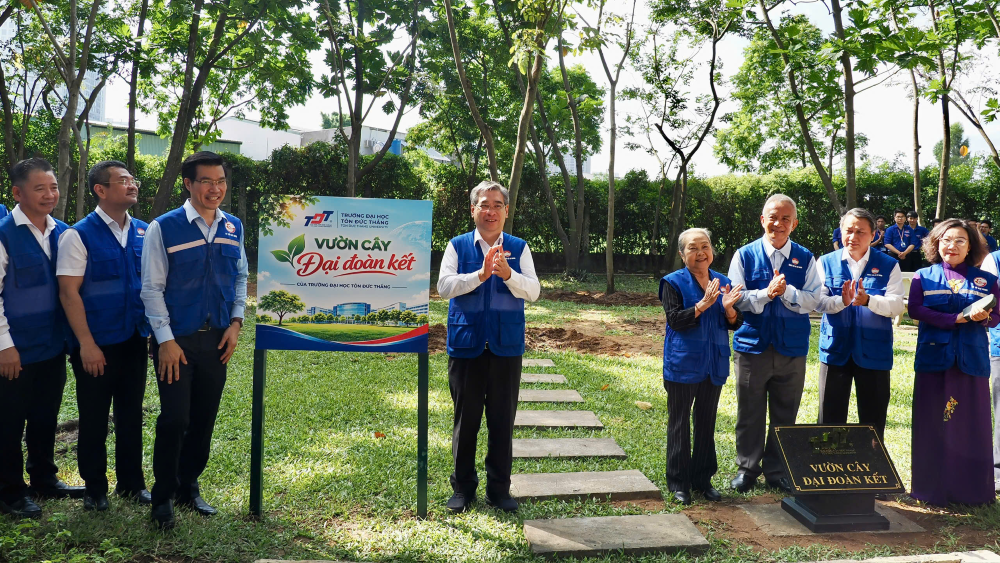
The activity commemorated the 96th anniversary of the Vietnam Fatherland Front's Traditional Day (November 18, 1930 – November 18, 2026) and the 44th anniversary of Vietnamese Teachers' Day (November 20, 1982 – November 20, 2026). It also supported the “City of a Thousand Flowers” initiative, contributing to the expansion of green spaces and the development of a sustainable educational environment.
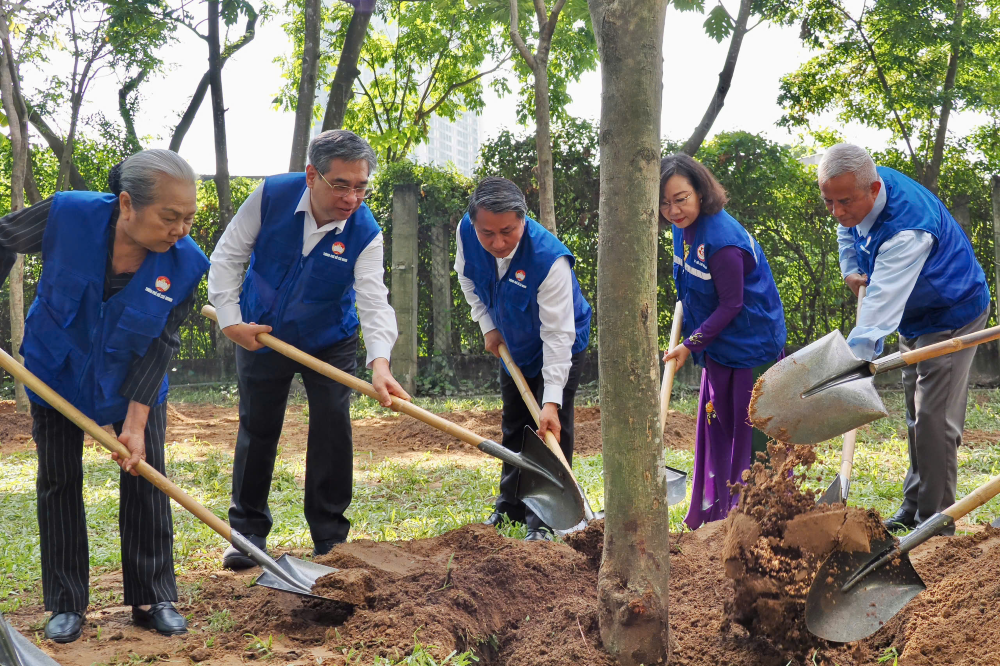
Mr. Nguyen Phuoc Loc acknowledged the University's active participation in tree-planting and environmental protection activities. He emphasized the importance of developing gardens to increase green coverage and improve the City's living environment.
According to University representatives, the Great National Unity Garden reflects the close relationship between the University, local authorities, and the community while connecting the act of “planting trees” with the mission of “nurturing people.” Within the university environment, the garden helps educate students about solidarity, community responsibility, and environmental conservation.
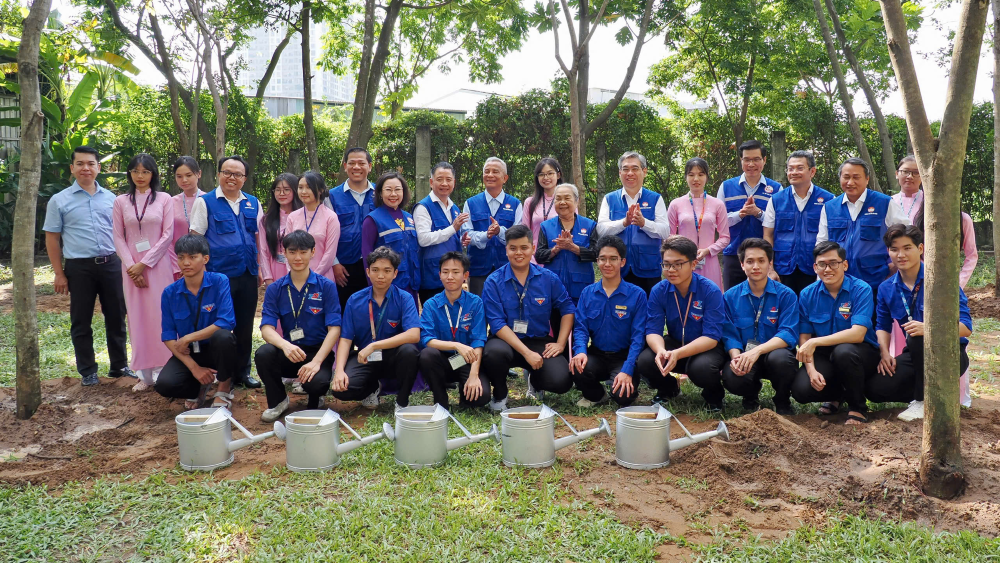
The University will continue to maintain and protect the garden, integrating landscape preservation into its efforts to create a green and welcoming campus. It will also encourage staff, employees, and students to participate in caring for shared spaces, ensuring that the garden continues to serve its intended purpose following the inauguration.
Aligning Education and Research with the City's Practical Challenges
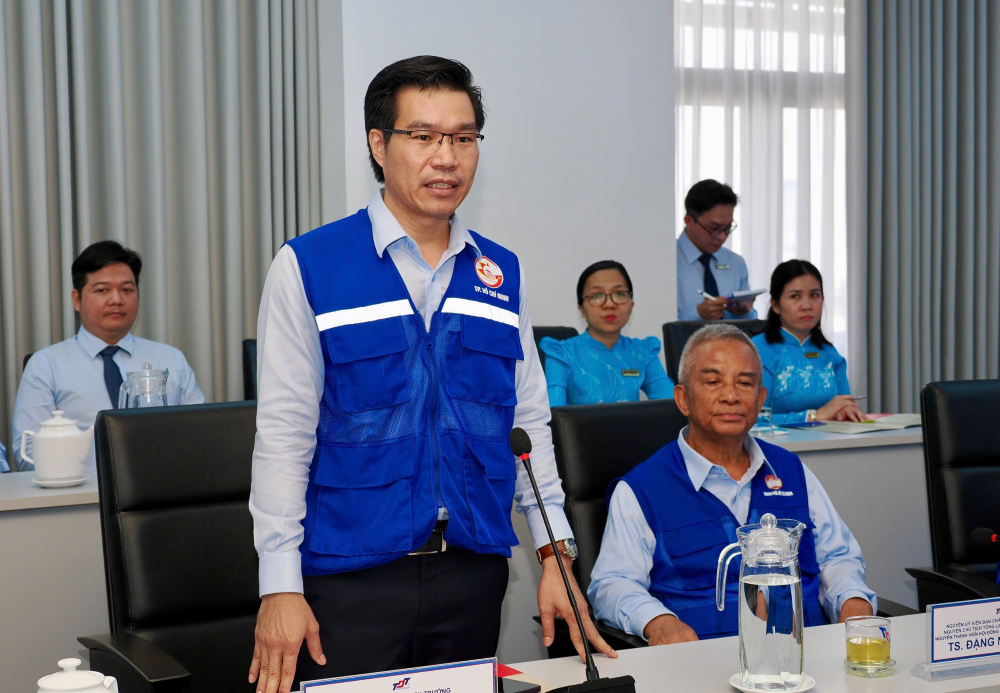
During the meeting with University staff and lecturers, Assoc. Prof. Dr. Tran Trong Dao stated that, over nearly 30 years of establishment and development, TDTU has built upon the valuable foundations established by generations of leaders and educators. The University community remains committed to improving educational quality, advancing scientific research, and strengthening international integration to meet the expectations of Ho Chi Minh City and society.
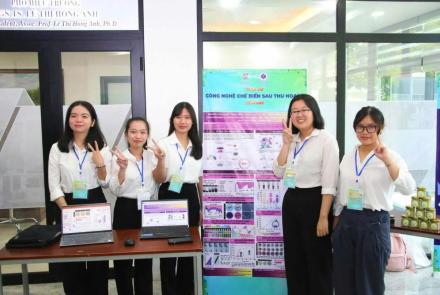
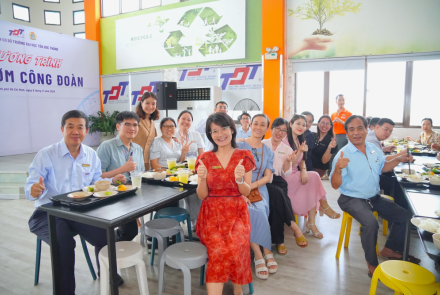
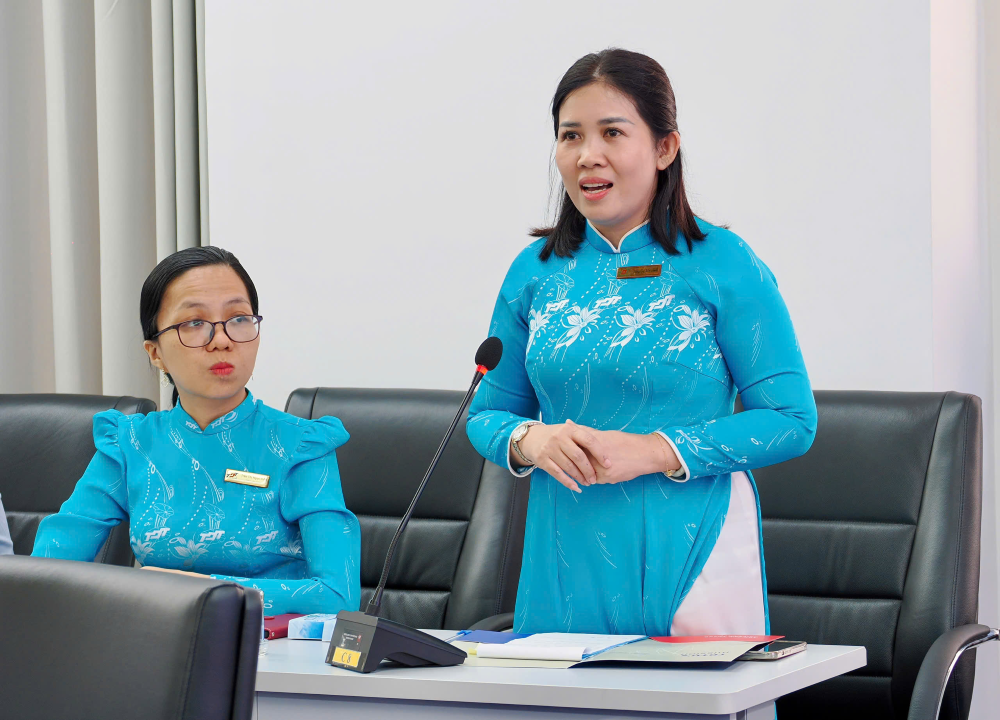
Representatives of University units discussed student and employee welfare, practical training, internships, and partnerships with businesses. A representative of the Faculty of Pharmacy noted that professional preparation, investment in practical training facilities, and cooperation with employers help students gain exposure to real-world working environments and expand their employment opportunities.
In community engagement, the University has collaborated with several local authorities to address practical challenges and connected artificial intelligence experts with local organizations to support digital transformation. Participants expressed their hope that the City and ward authorities would commission more science and technology projects, bringing education and research activities closer to society's needs.
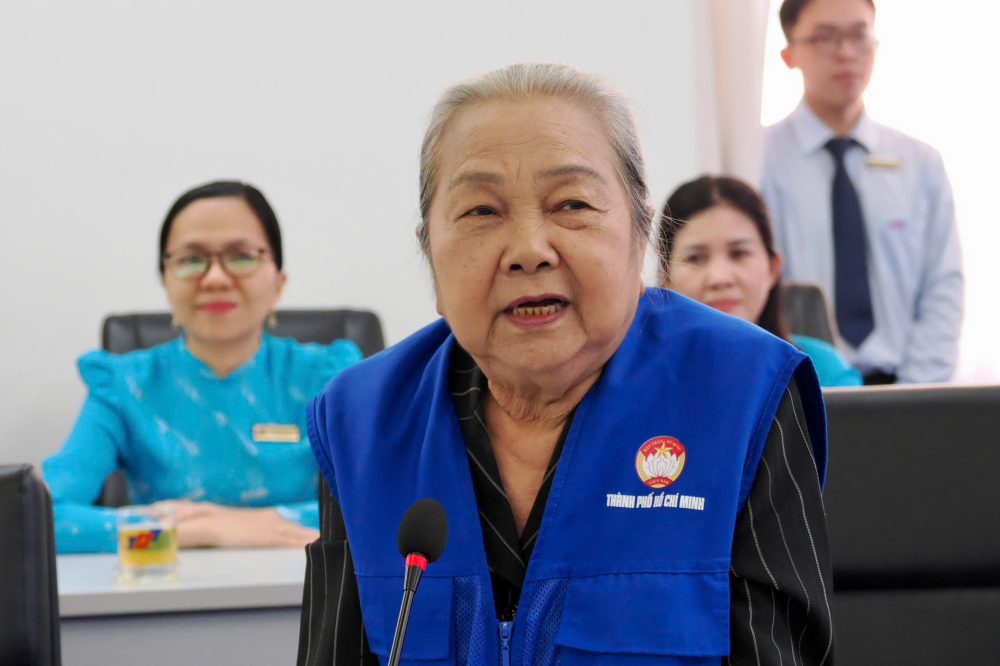
Reflecting on the challenges faced during the University's early years, former leaders expressed their hopes for its continued development. They also called for attention to resolving difficulties related to institutional mechanisms, land use, and outstanding issues, thereby creating favorable conditions for the University community to fully develop its capabilities.
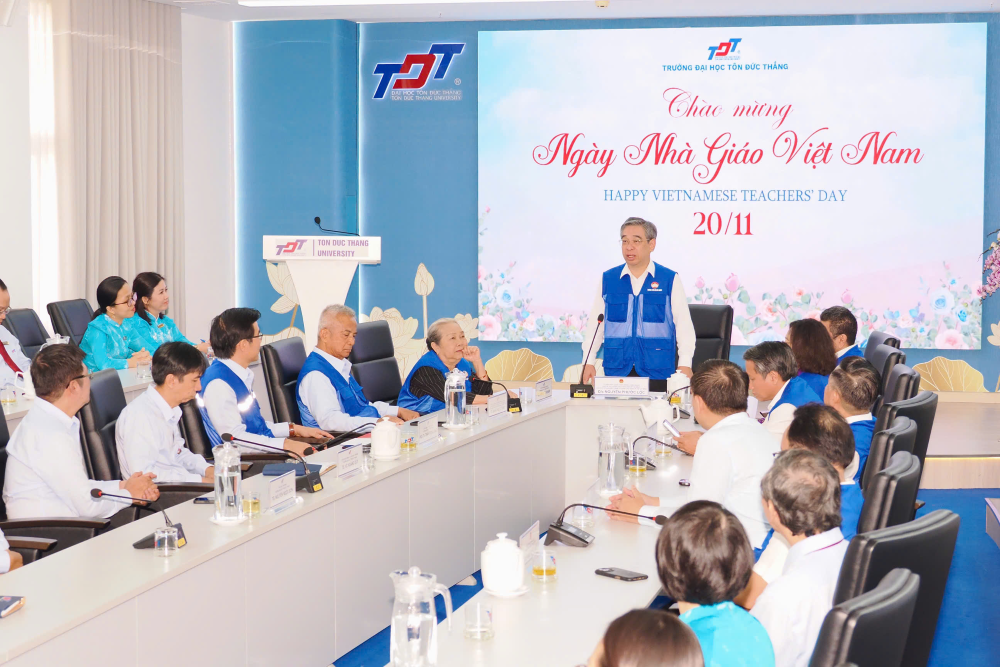
Acknowledging the contributions of generations of University leaders, lecturers, and staff, Ho Chi Minh City Deputy Party Secretary Nguyen Phuoc Loc highly appreciated TDTU's role in human resource development, particularly in preparing highly qualified professionals for the City. On the occasion of Vietnamese Teachers' Day, he wished educators good health and encouraged them to continue improving themselves, fostering creativity, and creating new value in education and training.
Mr. Nguyen Phuoc Loc urged the University to set annual targets for improving quality indicators and continue meeting international standards. He emphasized that the University's development should be closely aligned with the City's socioeconomic development requirements, as well as its national defense, security, and external relations priorities.
Stressing that education must respond to market needs, he encouraged TDTU to conduct in-depth research into human resource demands, the labor market, and labor relations to develop appropriate solutions. He also called on the University to proactively research and propose mechanisms and policies, and participate in projects commissioned by local authorities.
Particular attention should be given to emerging drivers of development, including the digital economy, semiconductor technology, logistics, biotechnology, high-quality healthcare, and cultural industries. The University should also expand international cooperation, strengthen education's role in people-to-people diplomacy, and connect partners and resources to support practical cooperation programs in Ho Chi Minh City.
“We must conduct in-depth research into the labor market and labor relations to propose educational solutions and recommend ways for local authorities to support the University's contributions through scientific research and education,” Mr. Nguyen Phuoc Loc emphasized.
Regarding students, he suggested that volunteer activities should be linked to their academic disciplines and professional development, producing tangible outcomes for local communities. Community service experiences can help students develop practical skills, foster initiative and creativity, and adapt more effectively to the labor market.
He also expressed his hope that every lecturer and student would take pride in being a member of Ton Duc Thang University, so that “wherever they go beyond the University campus, they can proudly say: 'I am a lecturer at Ton Duc Thang University,' or 'I am a student at Ton Duc Thang University.'”
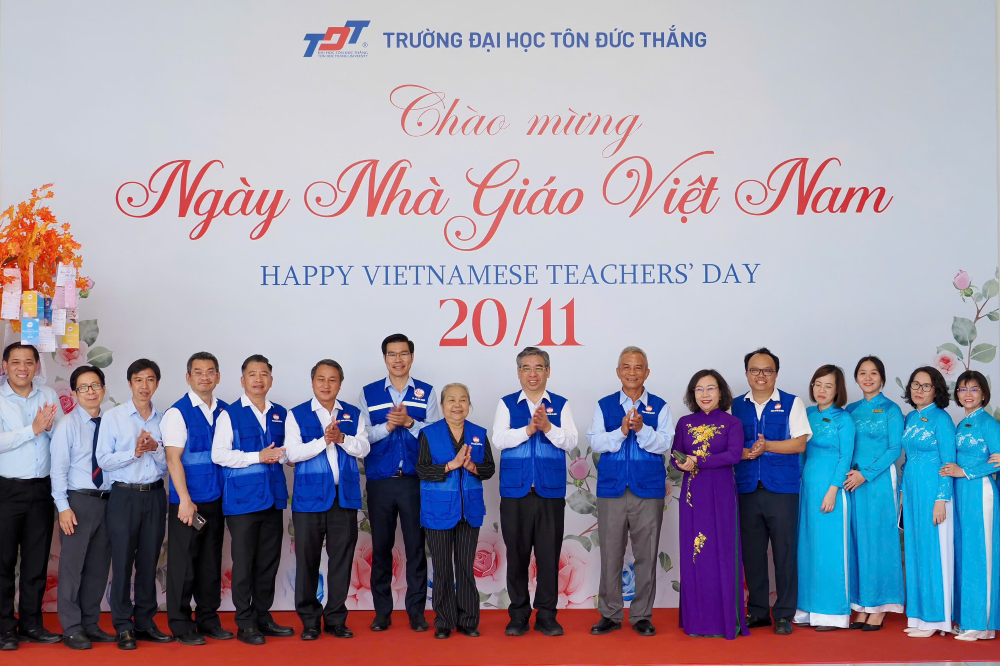
In response to the recommendations, Assoc. Prof. Dr. Tran Trong Dao affirmed that the University would translate the proposed directions into concrete programs and activities, while continuing to improve the quality of education, research, and community service.
Source: Sai Gon Giai Phong Online