TDTU expands its partnership network in Belgium, advancing education, research, and innovation
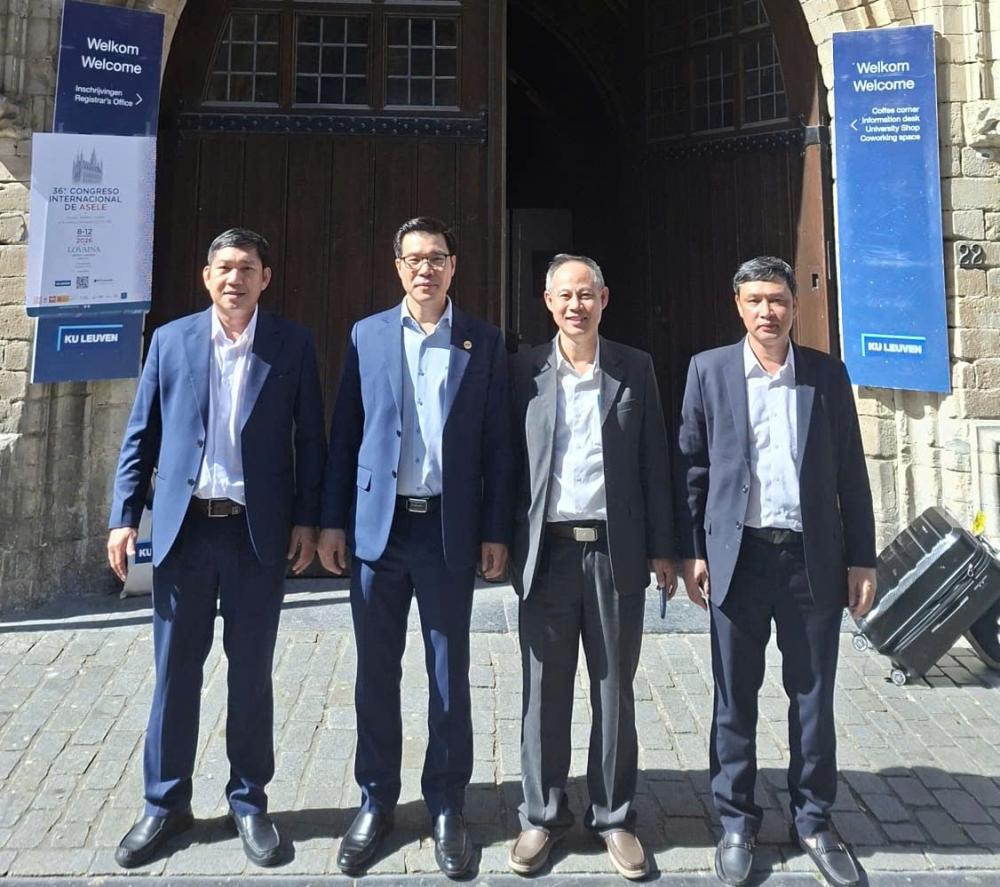
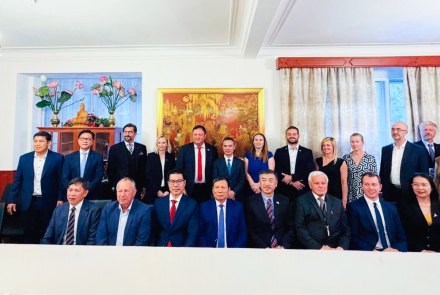
As part of its working visit to Belgium, a delegation from Ton Duc Thang University (TDTU) held meetings with KU Leuven and Hasselt University (UHasselt), opening up further opportunities for cooperation in education, scientific research, technology transfer, and innovation.
Opening new pathways for deeper cooperation with KU Leuven.
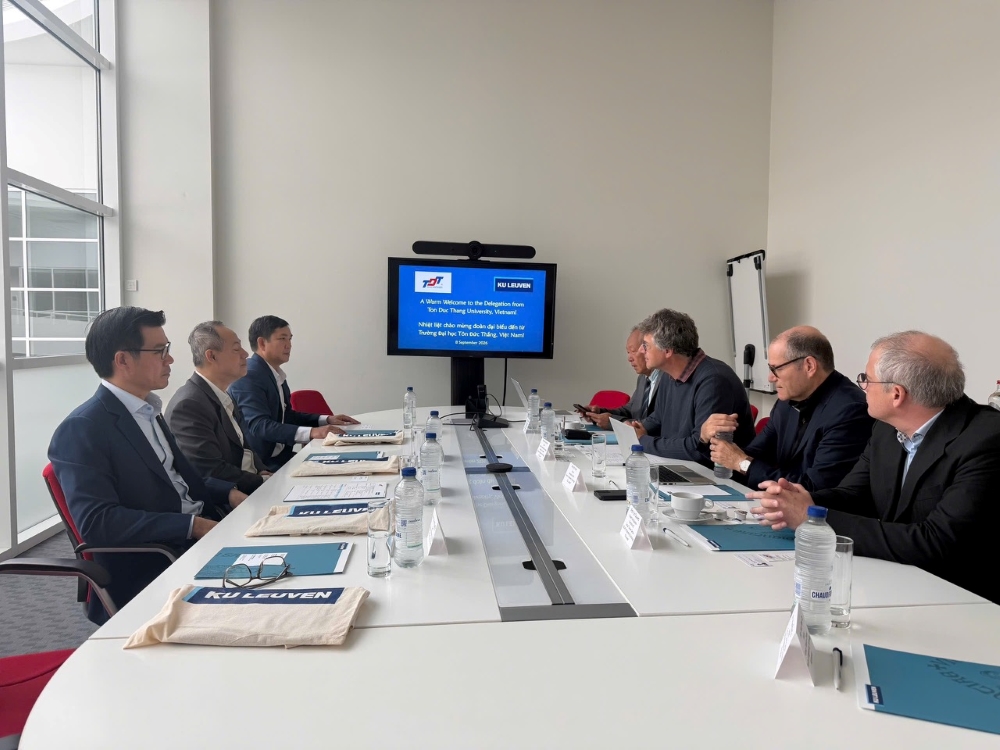
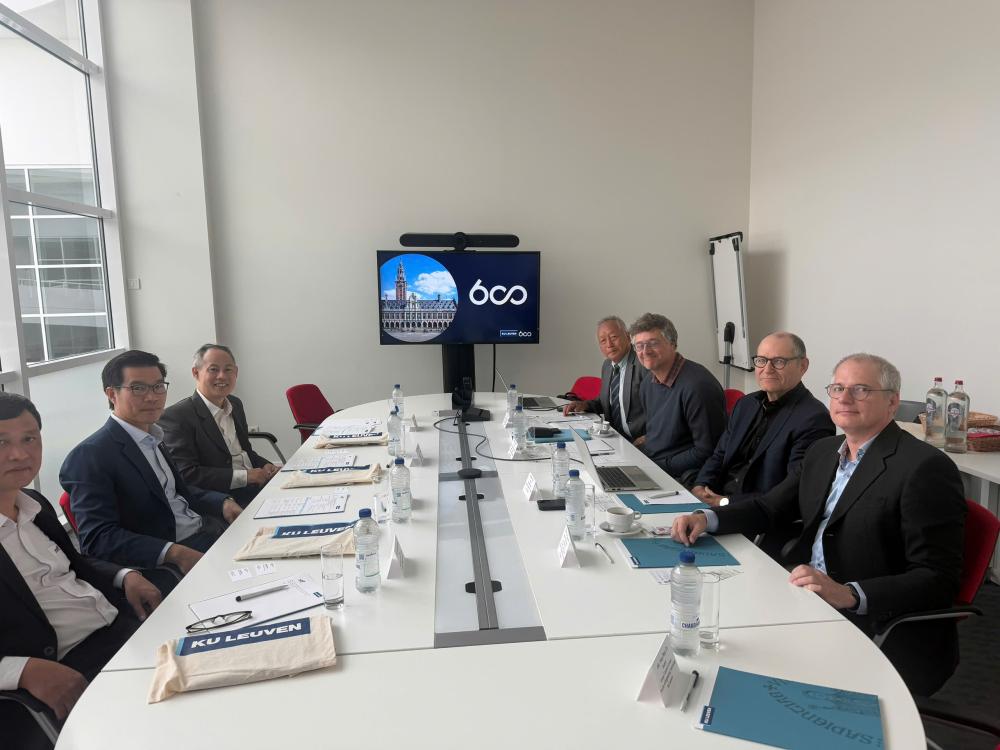
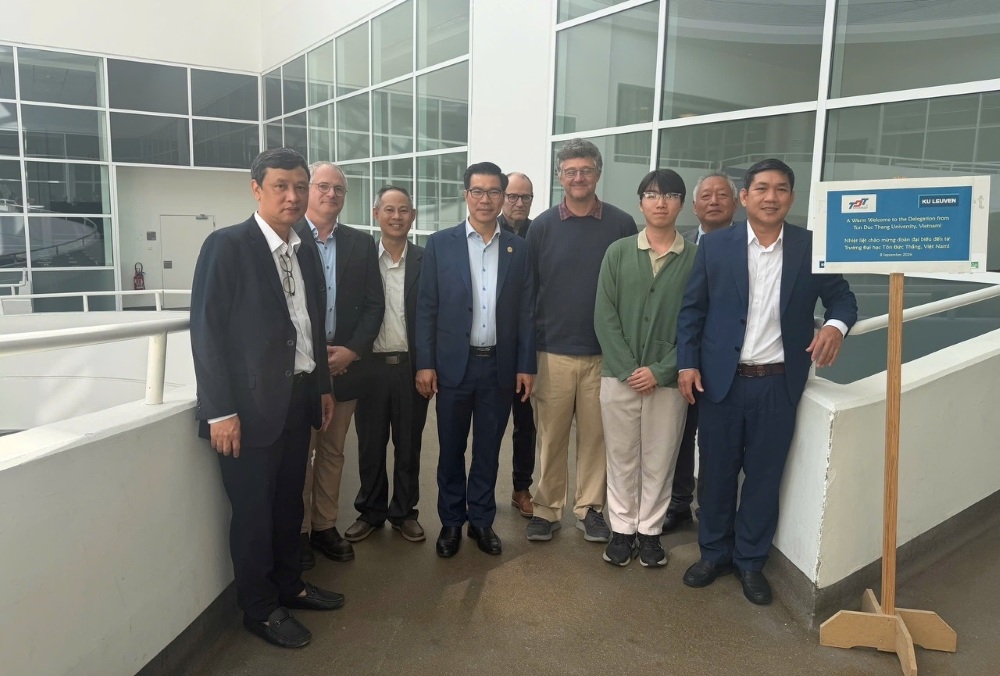
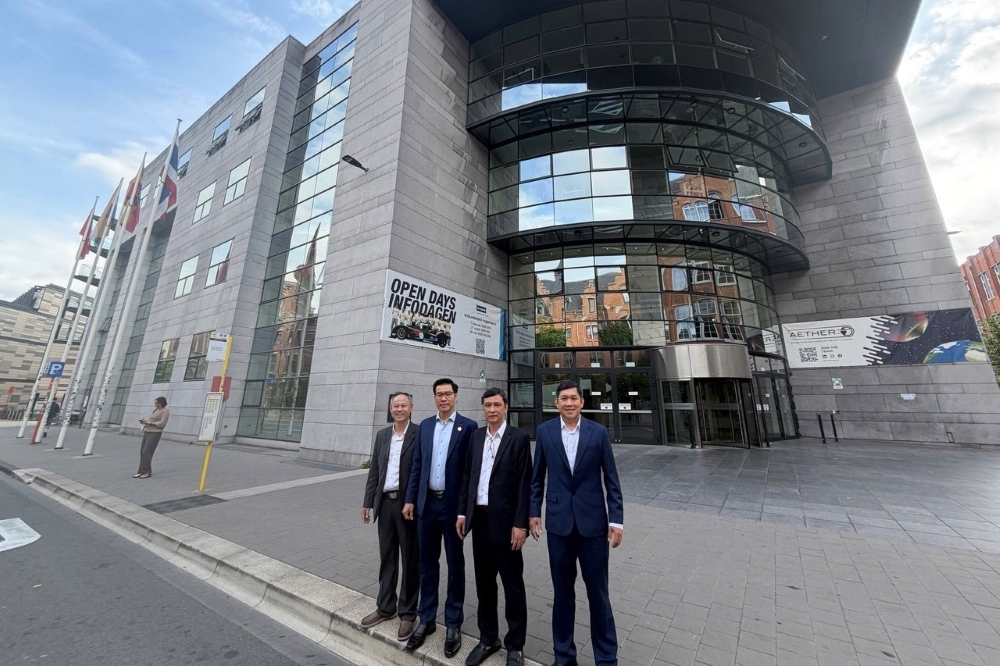
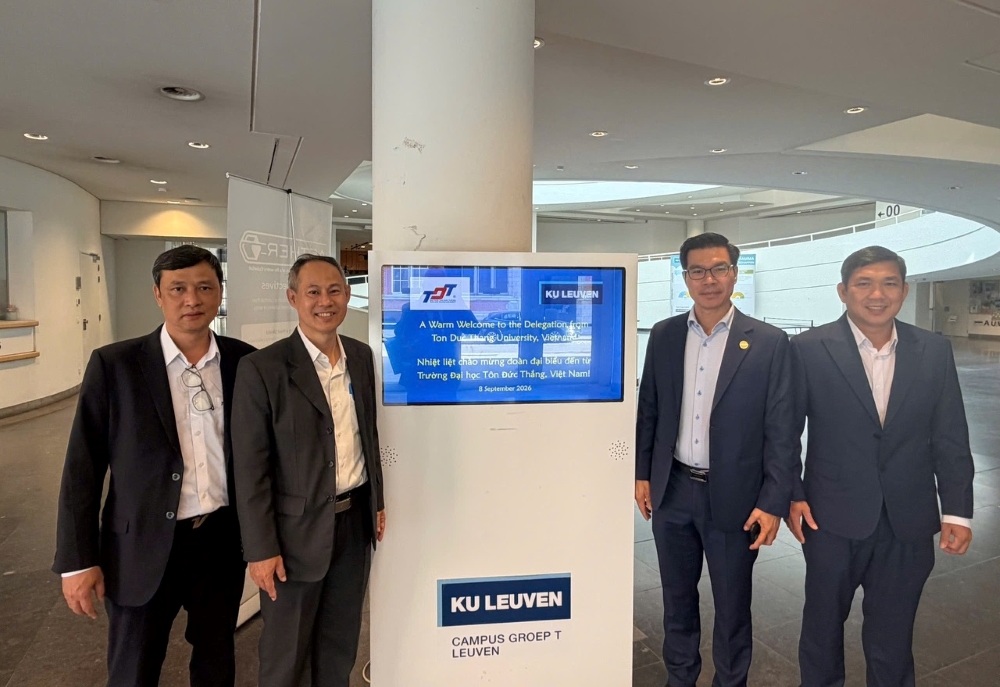
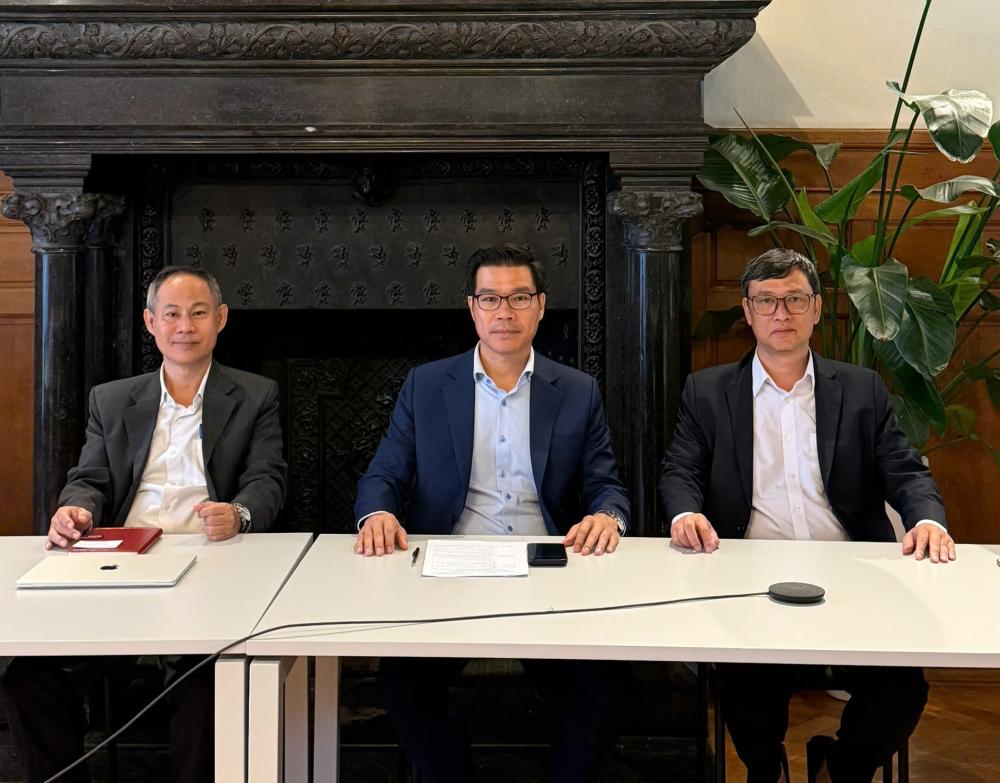
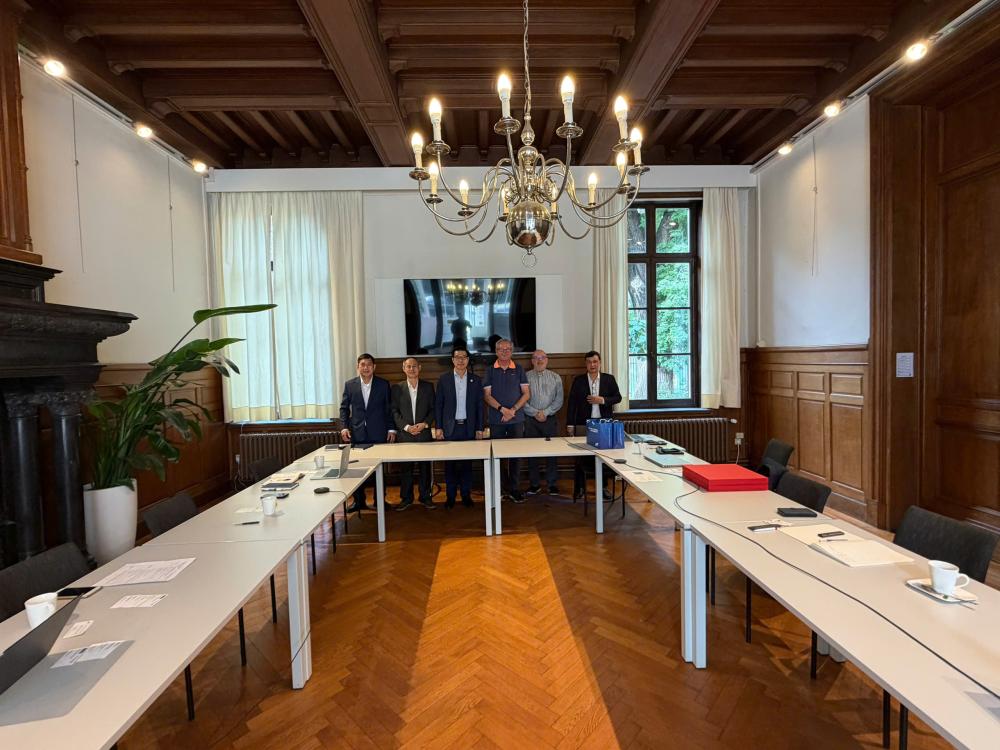
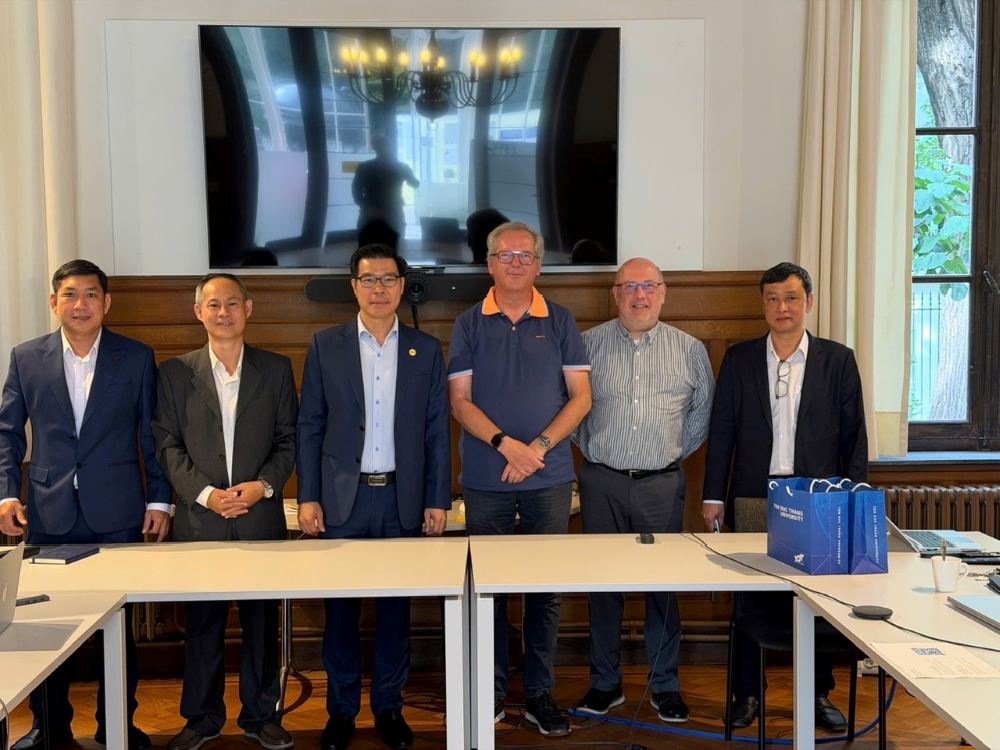
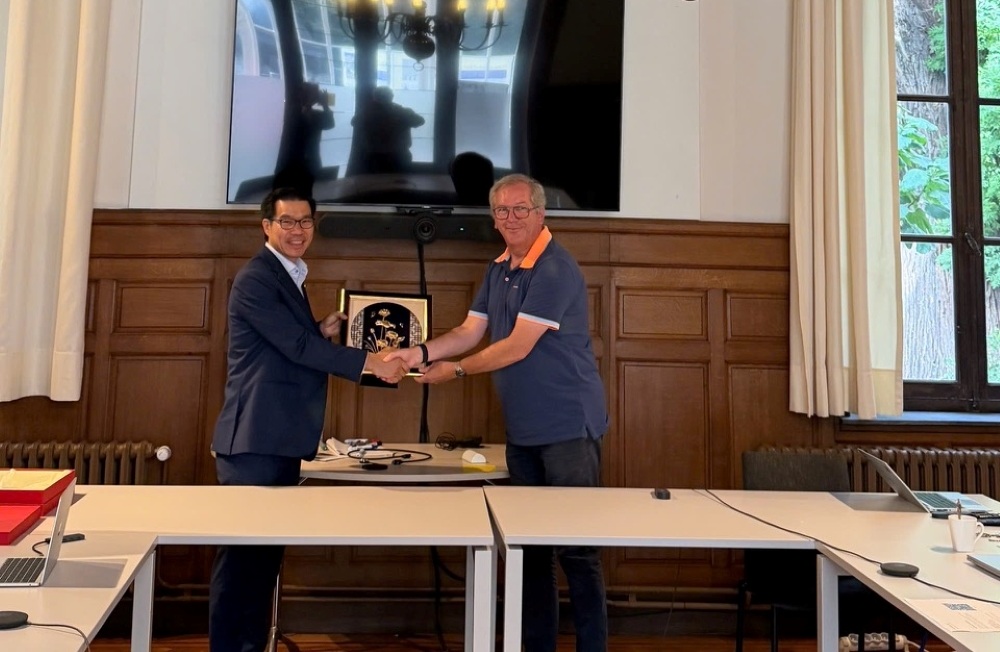
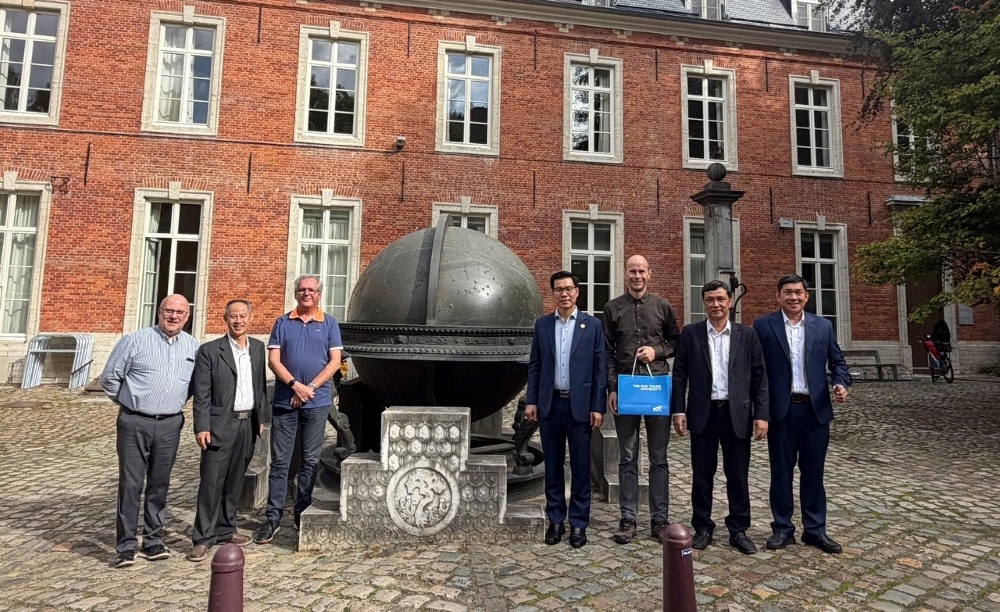
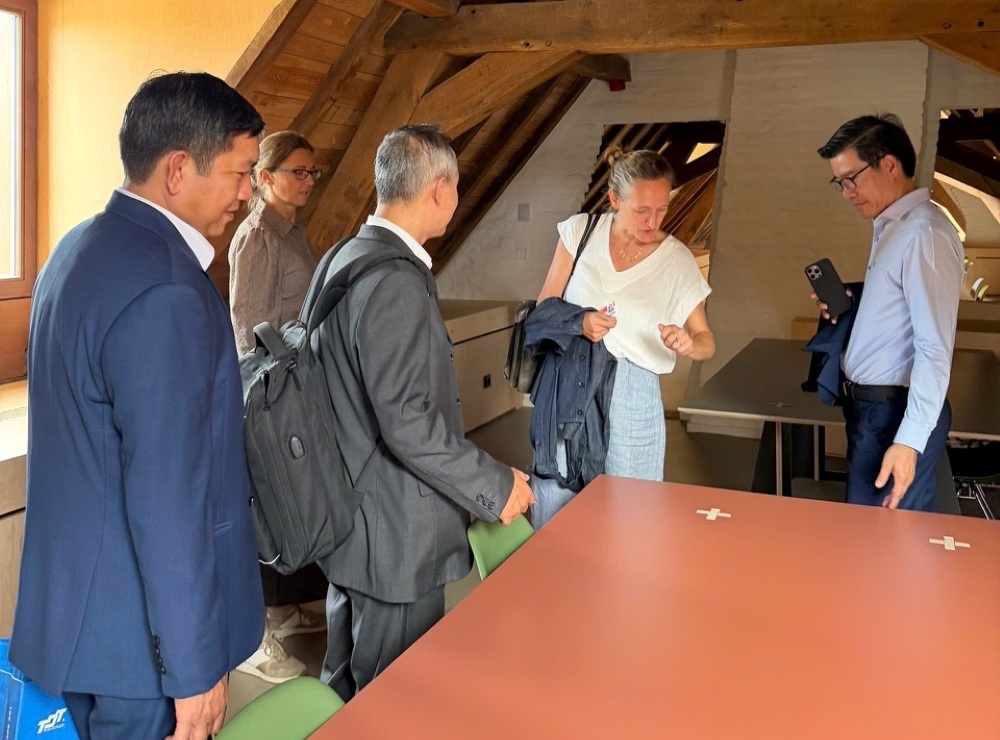
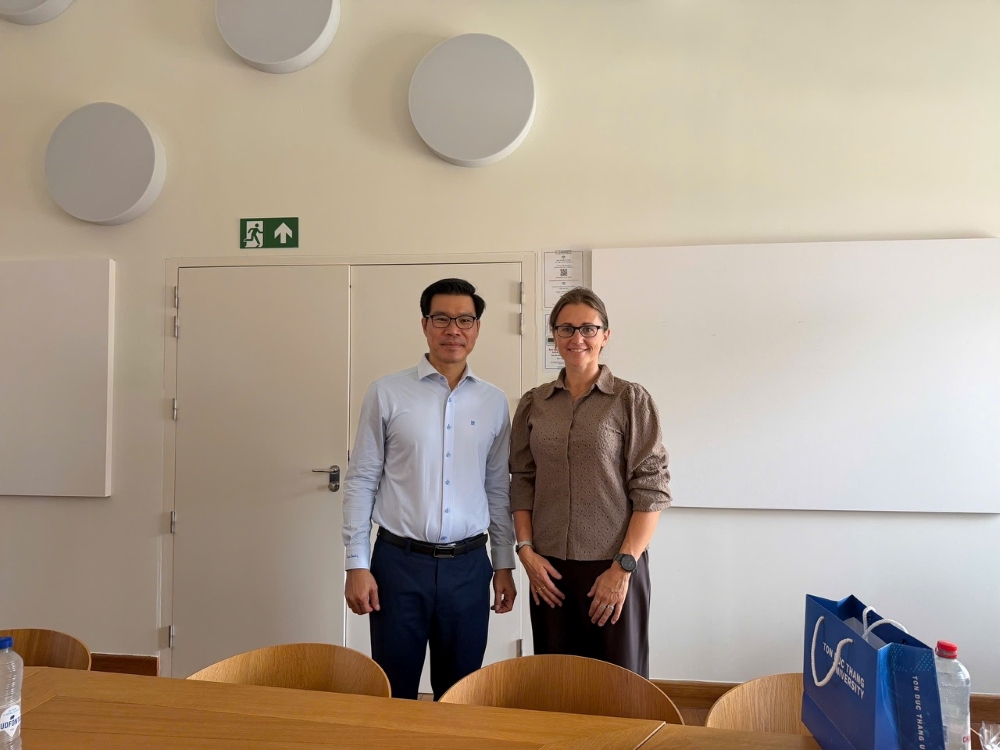
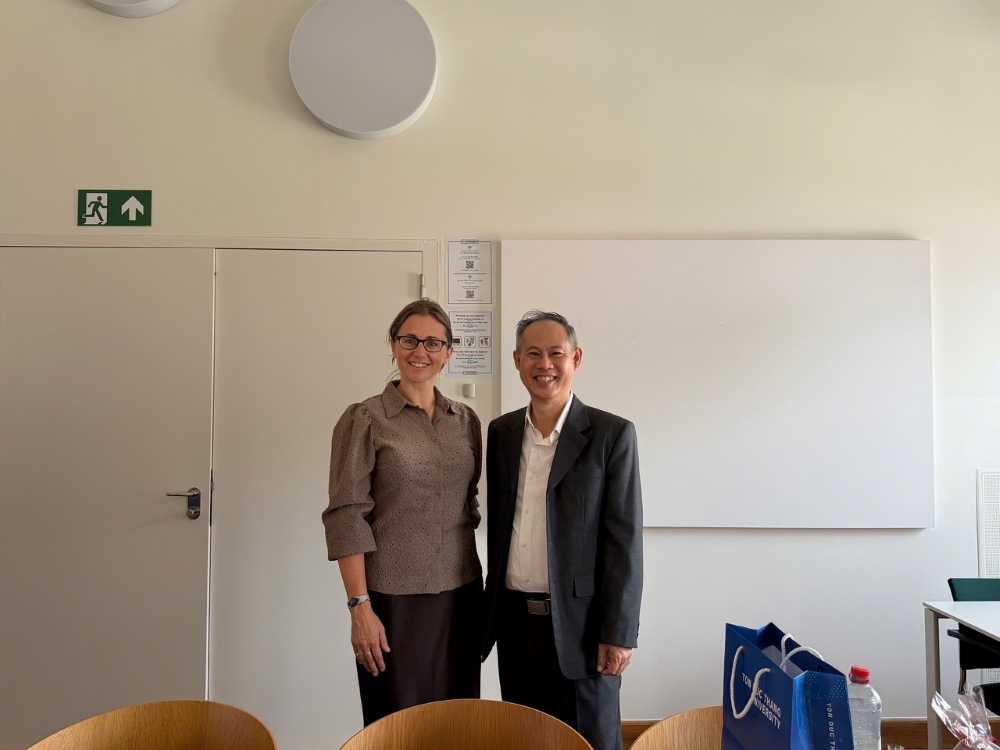
On September 8, 2026, a TDTU delegation led by Assoc. Prof. Dr. Tran Trong Dao, President of TDTU, visited and held a working session with KU Leuven. The visit marked a new step in TDTU’s strategy to strengthen its connections with leading European research universities, with a view to developing substantive cooperation programs that deliver practical value to students, faculty members, and the broader research community.
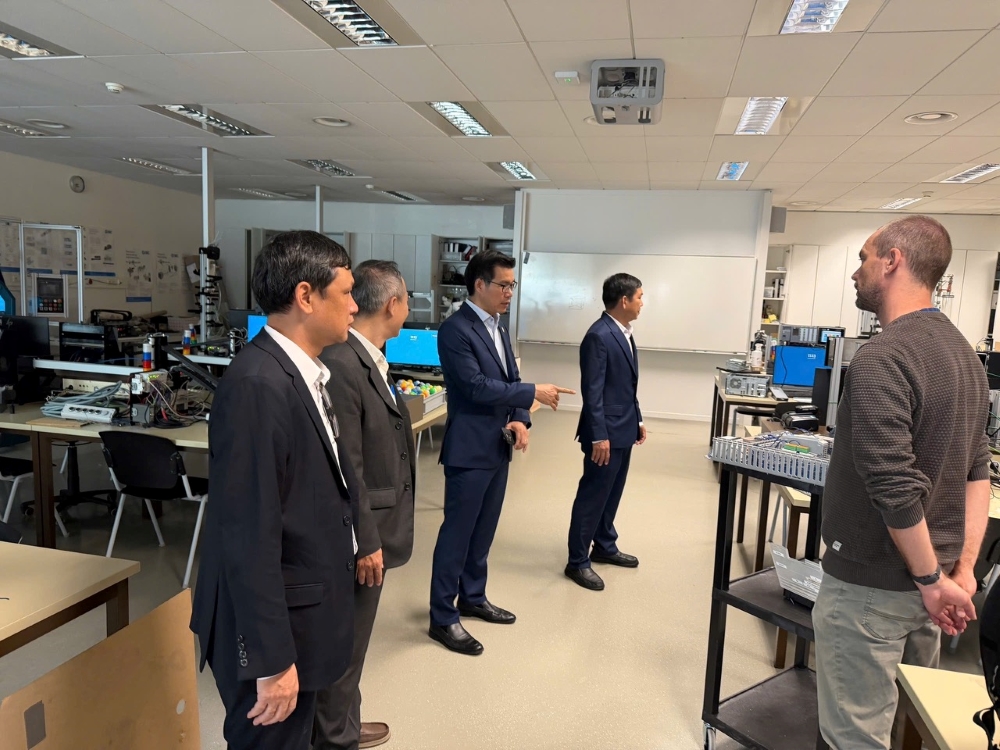
The delegation was welcomed by Prof. Kristiaan Temst, Chair of KU Leuven’s Southeast Asia Regional Committee, together with representatives of units responsible for international cooperation and scientific research and leaders of the Faculty of Engineering Technology. The two sides discussed connecting faculties, academic units, and research groups with complementary strengths as a foundation for developing joint research and education activities.
TDTU’s priority areas for cooperation include artificial intelligence and data science, computer science, electrical and electronic engineering, intelligent systems, materials science, and sustainable engineering. The two universities also explored opportunities to participate in international research networks and funding programs such as VLIR-UOS, Global Minds, Horizon Europe, and the Marie Skłodowska-Curie Actions (MSCA), as well as to expand short-term exchange programs for faculty members, doctoral candidates, and students.
In education, TDTU and KU Leuven discussed English-taught bachelor’s and master’s programs in engineering technology. Notably, the two sides agreed to develop a 2+2 undergraduate joint training program in engineering, initially focusing on Electrical and Electronic Engineering and Information Technology. These strategic technology fields have a strong demand for highly qualified professionals and play an important role in the nation’s digital transformation, industrialization, and modernization.
To promptly translate these shared priorities into practice, the two universities plan to begin with concrete activities such as organizing joint seminars, connecting research groups, facilitating academic exchanges, and implementing pilot projects. Building on these initial activities, both sides aim to develop larger research projects, joint scientific publications, and institution-wide cooperation frameworks, ensuring that the partnership is grounded in academic expertise and the practical needs of each unit.
Deepening the long-standing partnership with UHasselt.
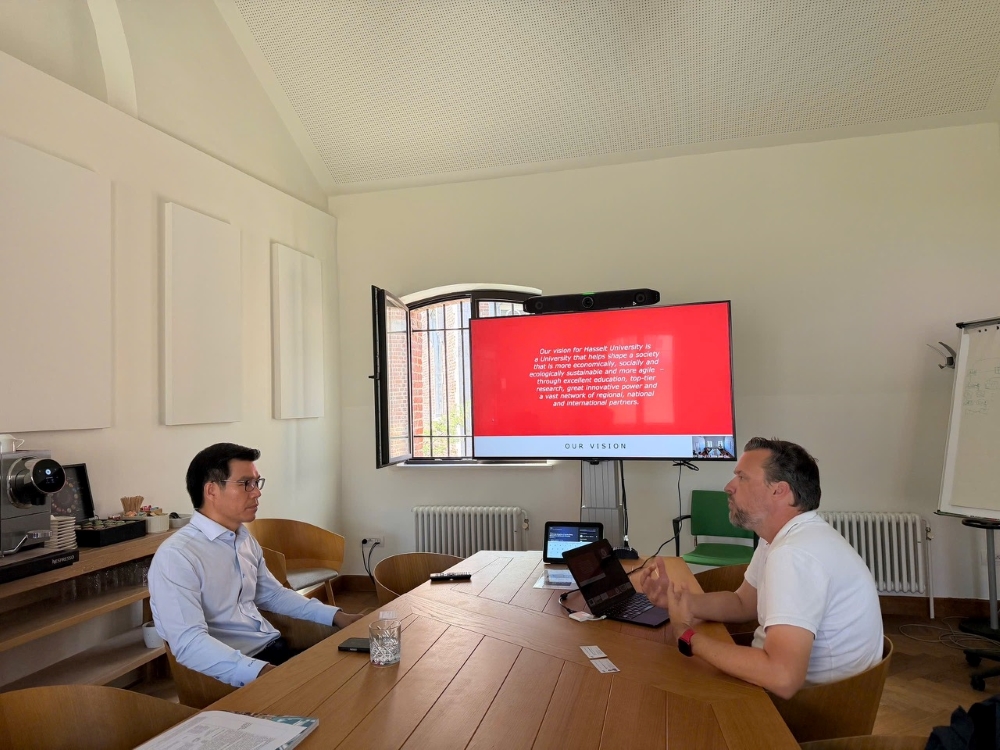
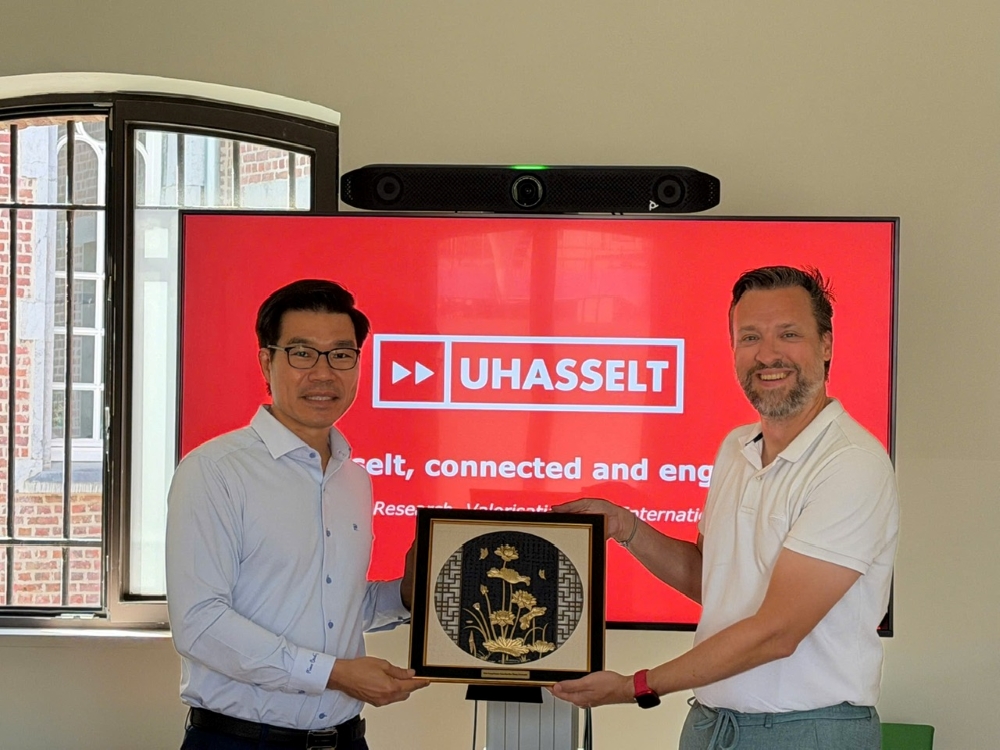
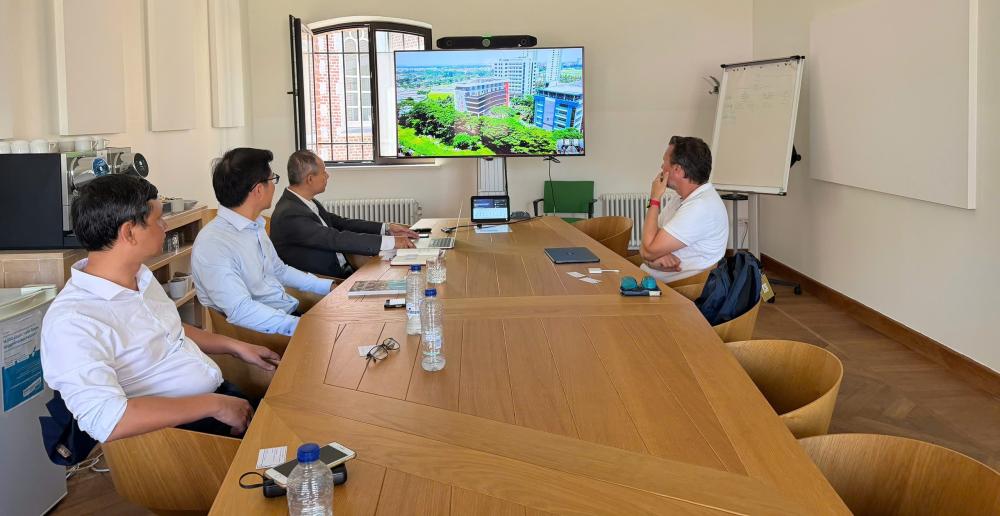
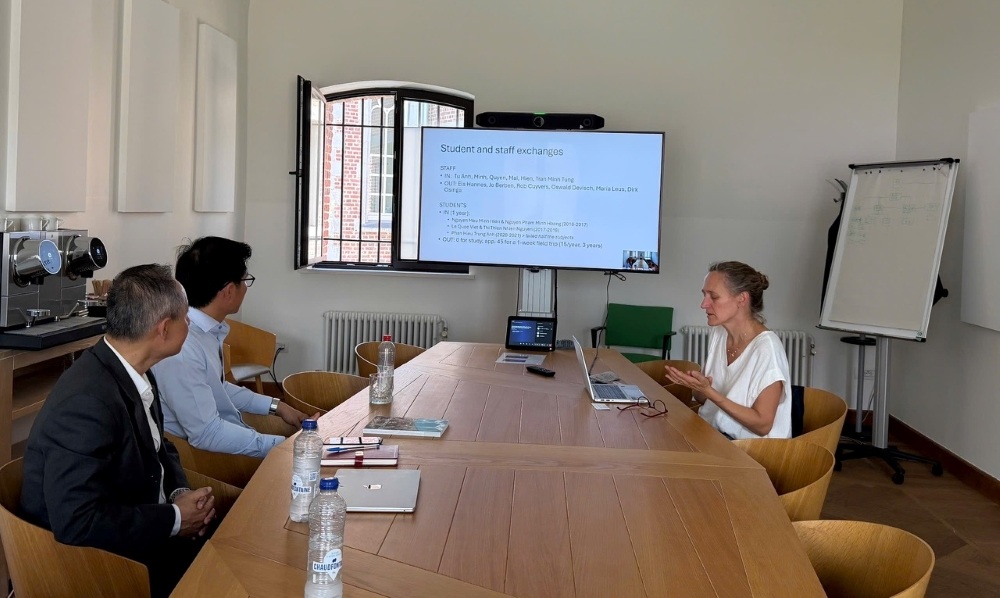
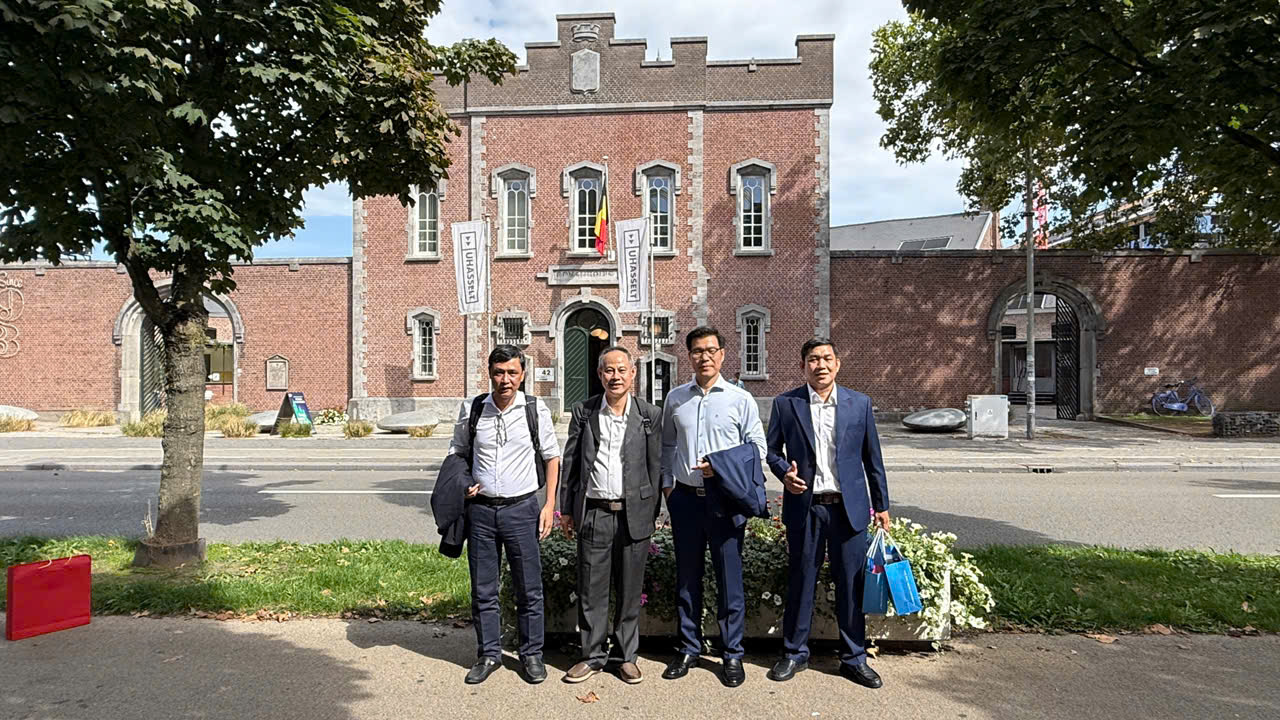
A day earlier, on September 7, 2026, the TDTU delegation visited and held a working session with UHasselt, one of the University’s long-standing partners in Belgium. The delegation was welcomed by Prof. Ken Haenen, Vice Rector for Research; Dr. Sadia Vancauwenbergh, Director of Research, Library, and Internationalization; as well as representatives of the Faculty of Architecture and Arts and other academic units at UHasselt.
During the meeting, the two universities reviewed their cooperation since 2015, particularly in architecture, urban planning, civil engineering, and academic exchange. Building on this foundation, TDTU and UHasselt agreed to revitalize and strengthen their existing programs while expanding cooperation into highly applicable interdisciplinary fields.
Potential areas of cooperation include sustainable architecture and urban planning; smart transportation and road safety; artificial intelligence, data science, and digital technologies; electrical and electronic engineering; sensors; robotics; the Internet of Things (IoT); and energy. The two sides also agreed to promote exchanges for faculty members, students, and doctoral candidates; expand cooperation in doctoral education; and connect research groups to develop joint projects, co-author publications, and submit proposals for international projects, including opportunities under Horizon Europe and other European Union research programs.
Reaffirming an internationalization strategy focused on meaningful outcomes.
The visits to KU Leuven and UHasselt reaffirm TDTU’s consistent commitment to expanding its international partnership network through deeper and more substantive engagement. By placing education, scientific research, innovation, and real-world application at the core of its strategy, the University seeks to build sustainable cooperation programs, develop highly qualified human resources, strengthen its research capacity, and make positive contributions to society.
Founded in 1425, KU Leuven is one of Europe’s oldest universities and is internationally recognized as a leading research university. According to information shared during the meeting, KU Leuven ranks 46th in the Times Higher Education World University Rankings 2026 and 59th in the QS World University Rankings 2027. The University is particularly renowned for its strengths in engineering and technology, computer science, electrical and electronic engineering, materials science, biomedical sciences, data science, and innovation.
Photos of the TDTU delegation in Belgium: